
Dinosaurs ruled the Earth for around 165 million years - an unimaginably long stretch. But several other groups of animals are even older and are still alive today. Some, like sharks and dragonflies, have lived on Earth for hundreds of millions of years and survived multiple mass extinctions. Others, like crocodiles, have changed so little since the age of dinosaurs that they are essentially living time capsules. These ancient survivors can be found everywhere - in the rivers, the oceans, the skies, and even your kitchen cupboard. Their secret of success? Simplicity, adaptability, and the willingness to occupy environments where bigger animals struggle to live.
By any measure, insects are the most successful animal group on Earth. There are over a million known insect species, and possibly several million more still undiscovered. Some have remained almost unchanged for hundreds of millions of years. The earliest dragonflies appeared around 320 million years ago - more than 80 million years before the first dinosaurs - and some Carboniferous dragonflies had wingspans of up to 70 cm (28 in), making them the largest insects that ever flew. Modern dragonflies are smaller, but their basic body plan has barely changed in over 300 million years.
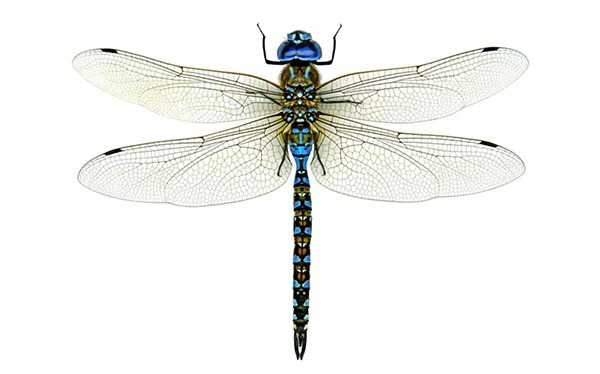
Dragonfly
Yes - several groups did. Lizards and snakes (collectively called squamates) were already widespread during the age of dinosaurs and survived the extinction with most of their main lineages intact. Some experts think they made it through by being small (easier to hide and find food), cold-blooded (needing less food), and able to burrow or hibernate during the worst of the post-impact cold. The tuatara, a New Zealand reptile that looks like a lizard but actually belongs to its own ancient group called Rhynchocephalia, also pulled through - and is the only surviving member of a reptile lineage that was once widespread alongside dinosaurs.
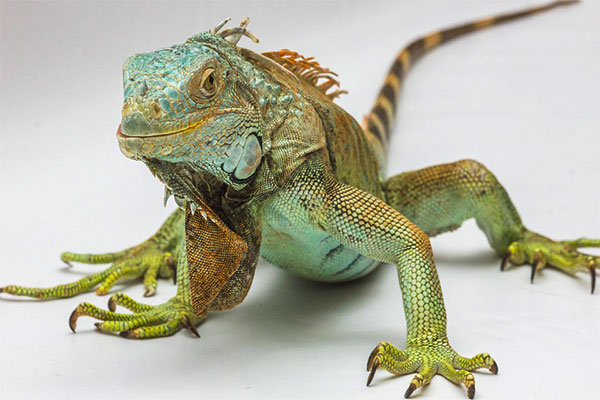
Iguana
Arachnids - the group that includes spiders, scorpions, mites, and ticks - are extraordinarily ancient. Scorpions are among the oldest known arachnids, with fossils dating back about 437 million years, far older than the dinosaurs. Spiders date back at least 380 million years. There are now over 100,000 arachnid species, and all of them are predators. Most use venom to kill their prey, injecting it through fangs (spiders) or stingers (scorpions). Among the around 1,500 known scorpion species, about 25-50 produce venom strong enough to kill a human, though most scorpion stings are merely painful.
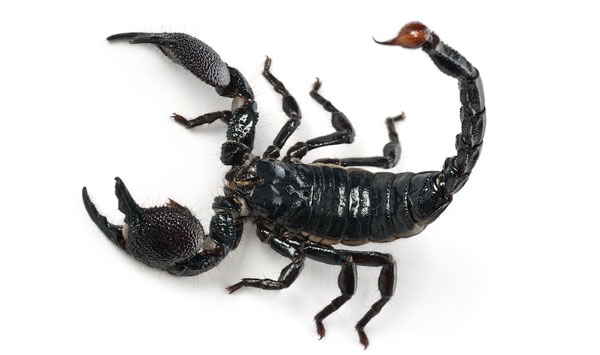
Scorpion
Some of the oldest are invertebrates - sea creatures without backbones. Jellyfish-like animals have lived in the oceans for around 600 million years. Sponges may be even older. Among large sea animals with backbones, sharks are the great survivors: the earliest sharks appeared around 450 million years ago - twice as old as the dinosaurs - and they have survived all five of Earth's great mass extinctions. The largest shark ever, Megalodon, lived from about 23 to 3.6 million years ago and reached up to 18 metres (60 feet) long, with teeth the size of a human hand. It is now extinct, but its smaller cousin the great white shark still patrols the oceans today.
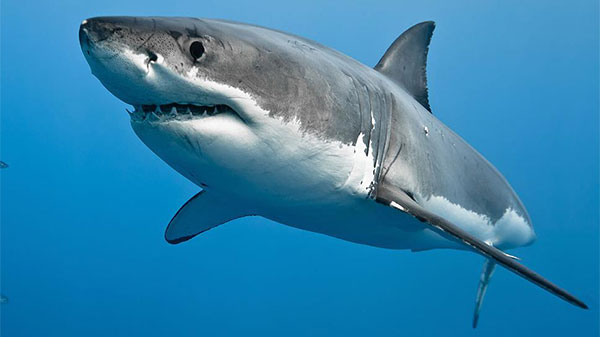
Great White Shark
Cockroaches are remarkably tough. They have existed in some form for about 320 million years, making them older than dinosaurs. They can survive without food for about a month, eat almost anything (including paper, glue, and soap), and can recover after being submerged in water for up to 30 minutes. They are also surprisingly radiation-resistant - capable of withstanding 6-15 times the dose of radiation that would kill a human. Cockroaches live on every continent except Antarctica. Of about 4,500 known species, only around 30 actually live near humans - most of the rest are forest insects you would never notice.
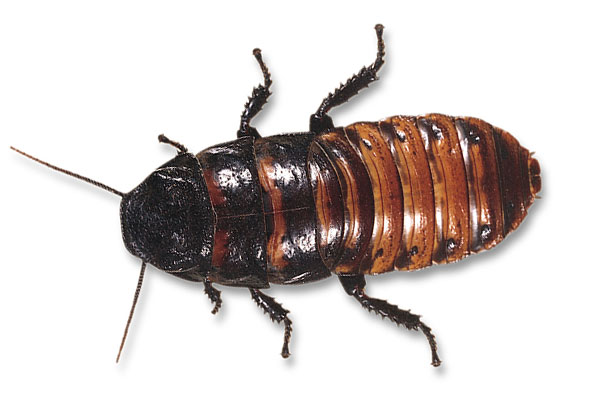
Cockroach
Crocodilians are a group of large, predatory reptiles that includes modern crocodiles, alligators, caimans, and gharials - 27 living species in total. They are part of the wider group archosaurs, which also included the dinosaurs - making crocodilians the closest living relatives of birds. The first crocodilians appeared around the same time as the dinosaurs, about 230 million years ago, and some early crocodile relatives even lived in the open sea (Geosaurus) or on dry land like cheetahs (Pristichampsus). Most modern crocodilians look strikingly similar to their Cretaceous ancestors - they are true "living fossils."
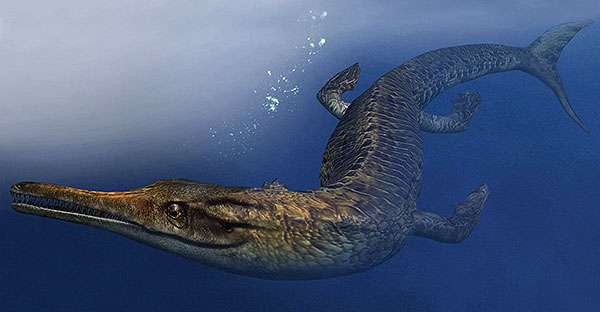
Geosaurus