
Indian Independence Day falls on Saturday 15 August 2026. It is India's 80th Independence Day, and it comes 79 years after the country became free of British rule on 15 August 1947. The date never moves, and the day is a national holiday across India.
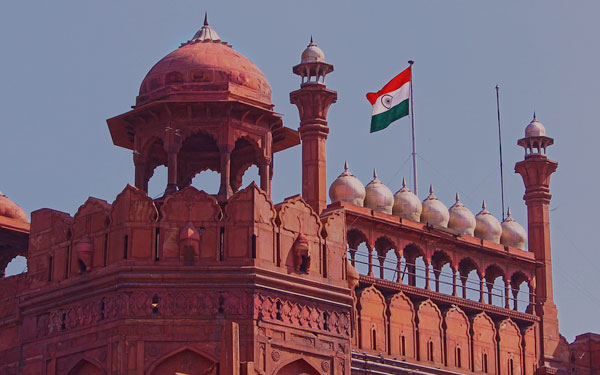
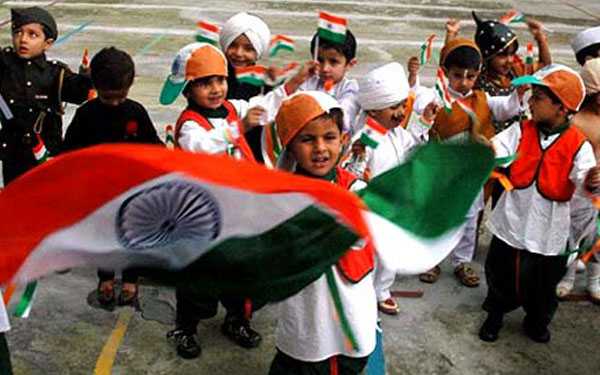
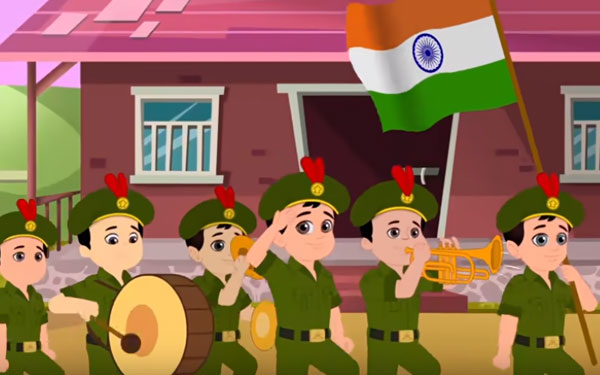
On the morning of 15 August the Prime Minister hoists the national flag at the Red Fort in Delhi, a 21-gun salute is fired, and a speech is broadcast to the whole country. Schools and colleges hold their own flag ceremonies, children sing the national anthem, and the tricolour appears on buildings, kites and shirt pockets everywhere.
Freedom was not given, it was won. It took nearly a century of protest, imprisonment and sacrifice by people from every part of the country, many of whom never lived to see 1947. That is what the day is really for: remembering them, and understanding what they handed on.
Everything below is put together for children, parents and teachers — the history of how independence was won, the meaning of India's flag, emblem and anthem, and plenty to do: a quiz, poems to recite, puzzles, wallpapers and pictures to colour.
Saturday 15 August 2026. The date never changes. This is India's 80th Independence Day, and it comes 79 years after the first one in 1947.
British rule in India ended on 15 August 1947, so that is the date the country marks every year. It is a gazetted national holiday, which means schools, offices and banks are closed.
The Prime Minister hoists the flag at the Red Fort in Delhi, and a 21-gun salute follows. The Prime Minister then gives a speech to the country. Schools, colleges and offices across India hold their own flag ceremonies the same morning.
Independence Day, on 15 August, remembers the day India became free of British rule in 1947, and the Prime Minister hoists the flag at the Red Fort. Republic Day, on 26 January, remembers the day the Constitution of India came into force in 1950, and the President unfurls the flag at Kartavya Path in Delhi.
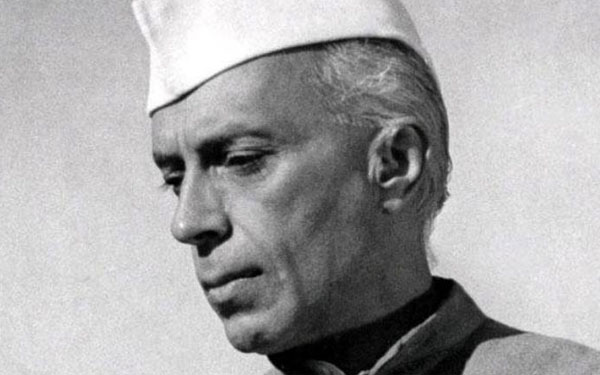
He spoke to the Constituent Assembly in New Delhi at midnight, as 14 August turned into 15 August 1947. The speech is remembered as the tryst with destiny speech, and Nehru went on to become India's first Prime Minister.
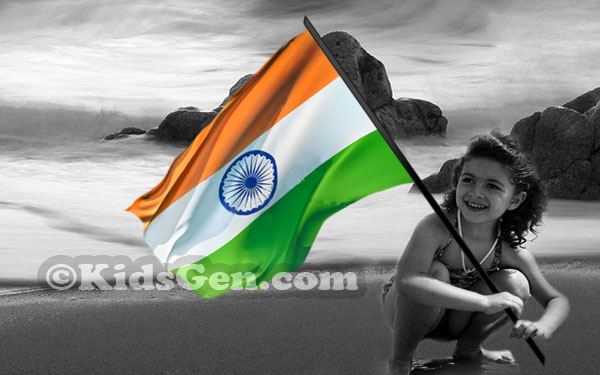
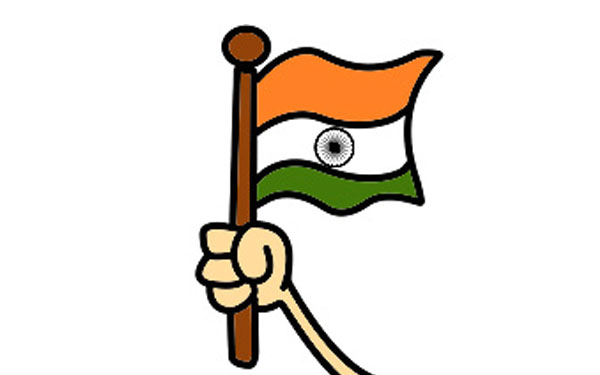
The tricolour has saffron at the top, white in the middle and green at the bottom, with a navy-blue Ashoka Chakra of 24 spokes at its centre. The colours are usually explained as courage and sacrifice, peace and truth, and faith and growth, while the wheel stands for constant motion.
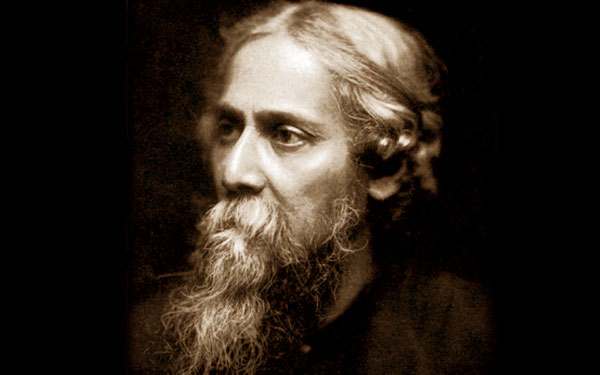
Rabindranath Tagore wrote Jana Gana Mana, which was adopted as the national anthem of India. Tagore also wrote the song that became the national anthem of Bangladesh.