
Animal Sounds A to Z: 60+ Animals with Pictures and Audio
Animal sounds are the noises animals make to communicate — a dog barks, a cow moos, a lion roars, a bee buzzes. Each call carries a meaning: a warning, a greeting, a mating call or a way to find food. On this page you can listen to animal sounds from A to Z, see what each animal looks like, and learn the verbs we use for the noises they make. It's a free, illustrated guide built for kids, parents, teachers and anyone curious about the language of the animal kingdom.
Quick Animal Sounds Chart
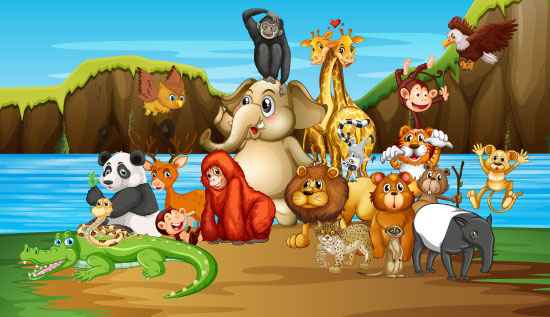
Here's a quick reference list of common animals and the sounds they make. Scroll further down for pictures and playable audio for each animal from A to Z.
| Animal | Sound (verb) | How we write it |
|---|---|---|
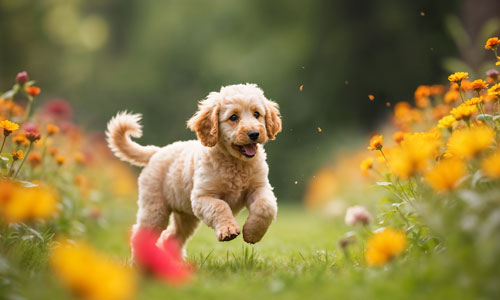
| Dog | bark | woof |
| Cat | meow, purr | meow |
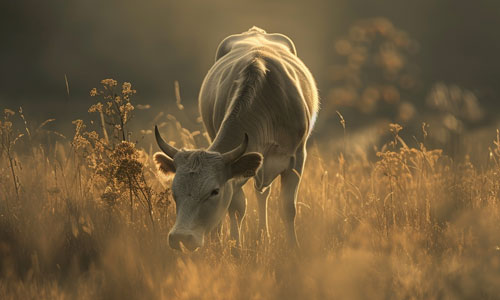
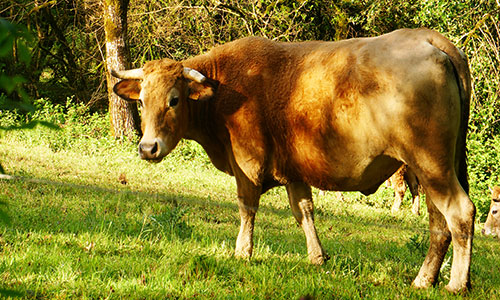
| Cow | moo, low | moo |
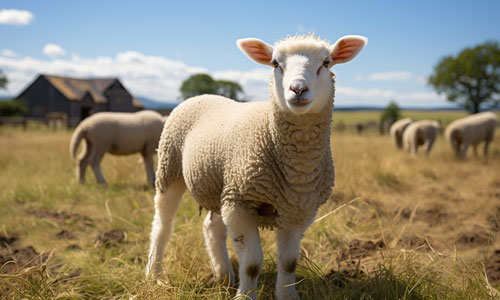
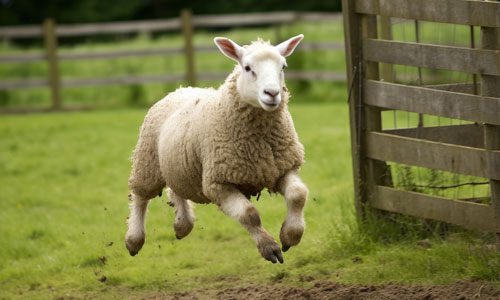
| Sheep / Lamb | bleat | baa |
| Pig | oink, grunt | oink |
| Horse | neigh, whinny | neigh |
| Duck | quack | quack |
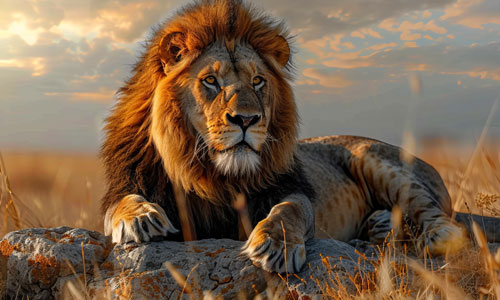
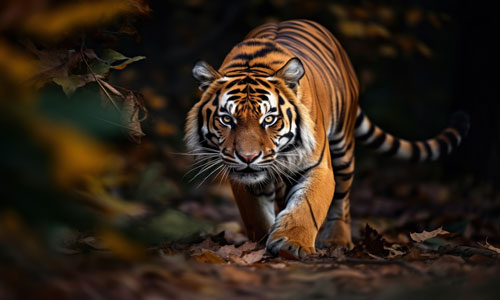
| Lion / Tiger | roar, growl | roar |
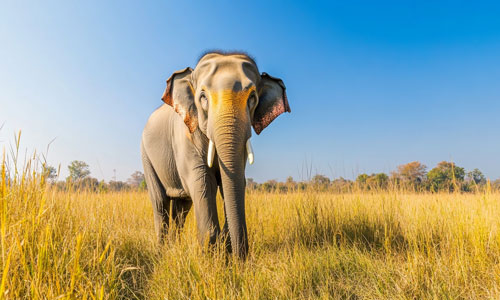
| Elephant | trumpet | pawooo |
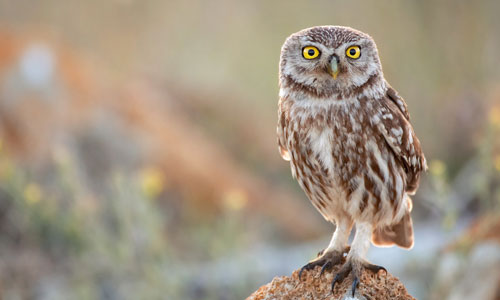
| Owl | hoot | hoo-hoo |
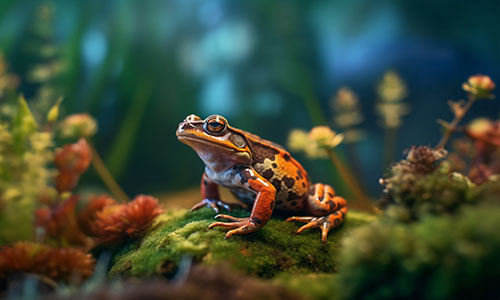
| Frog | croak | ribbit |
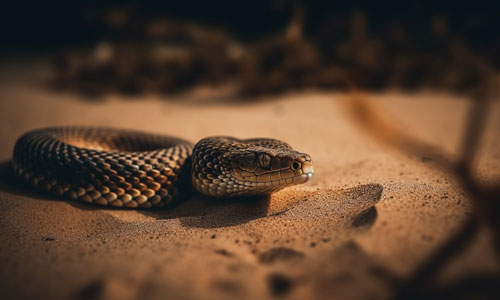
| Snake | hiss | ssss |
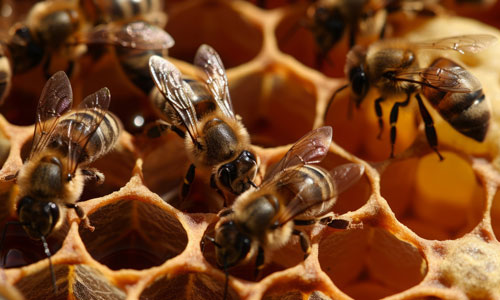
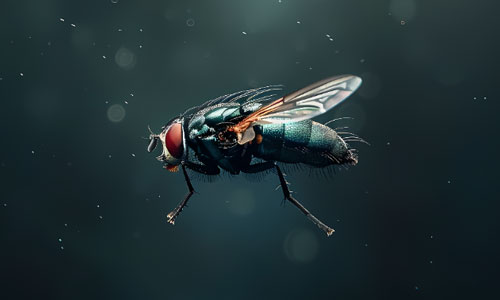
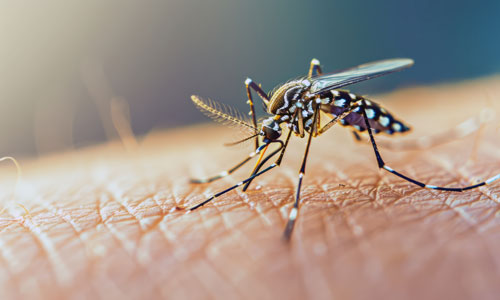
| Bee | buzz, hum | bzzz |
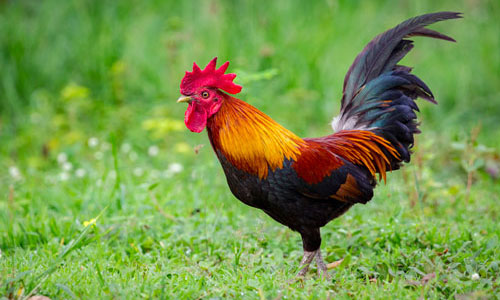
| Rooster | crow | cock-a-doodle-doo |
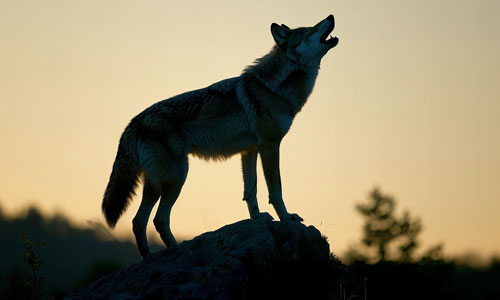
| Wolf | howl | awoooo |
A to Z Animal Sounds with Pictures and Audio
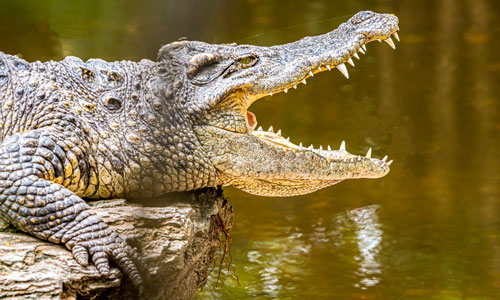
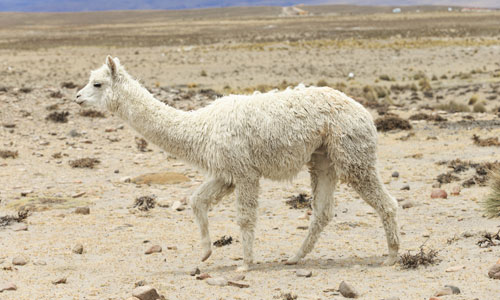
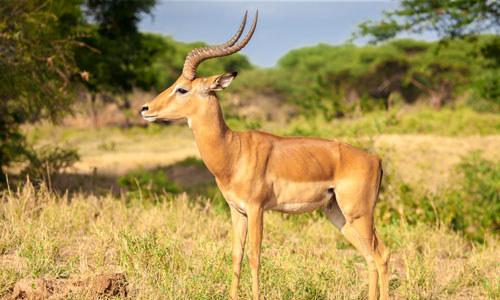
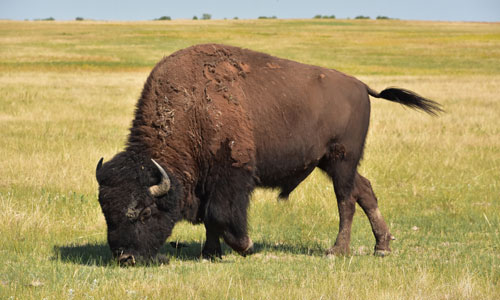
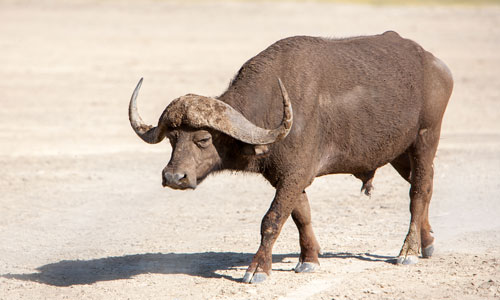
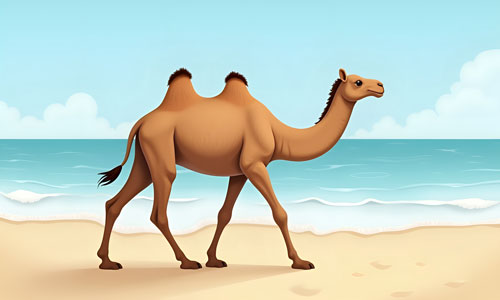
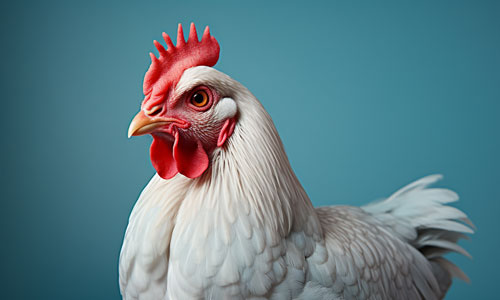
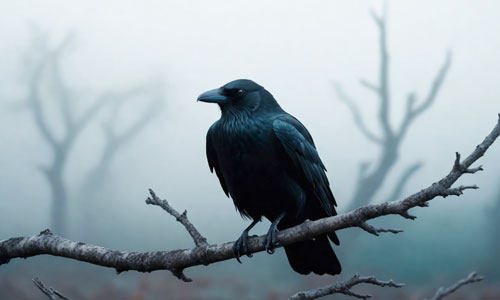
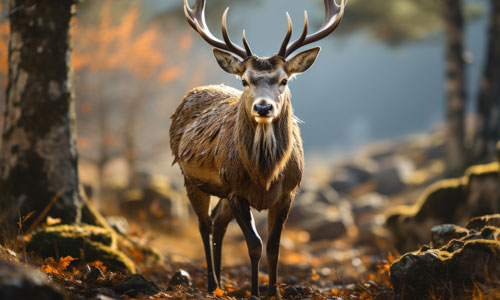
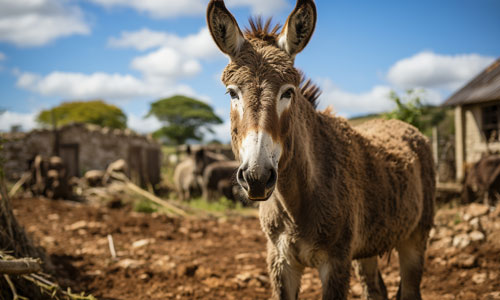
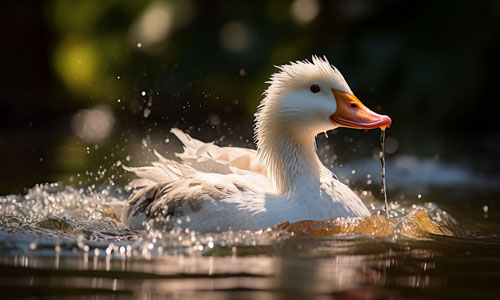
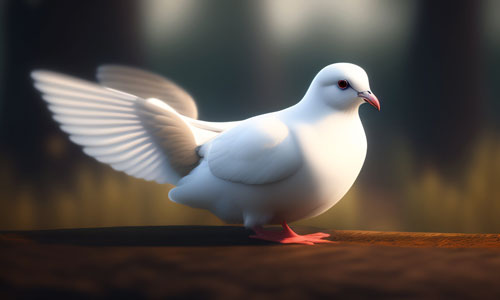
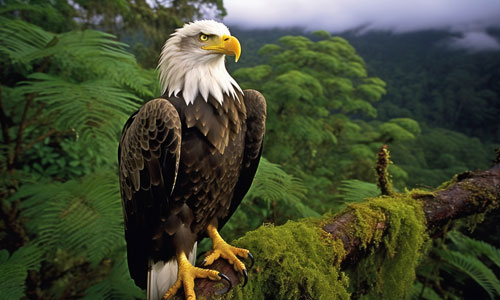
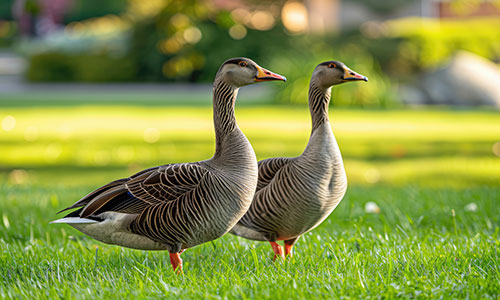
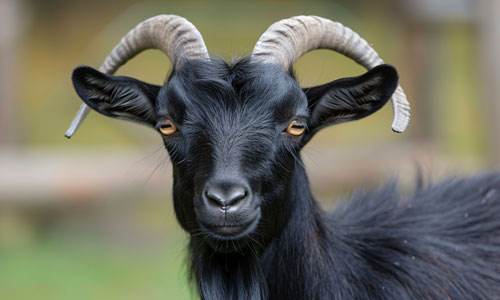
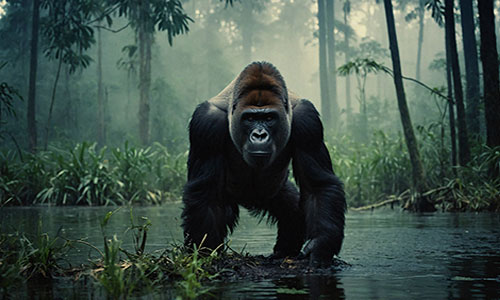
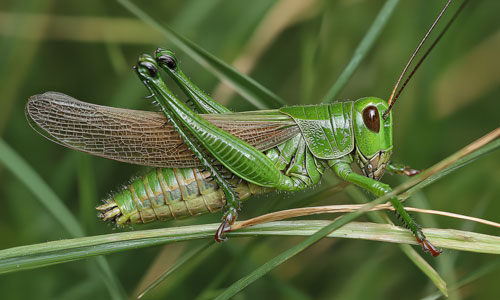
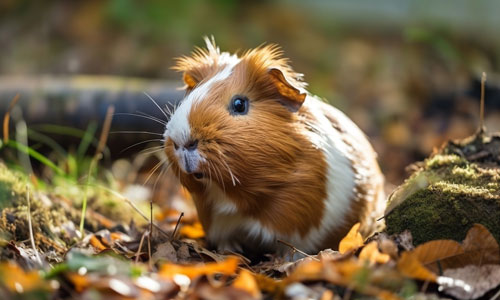
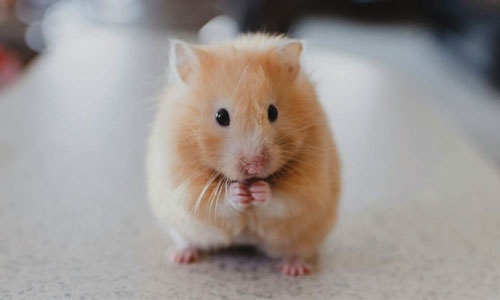
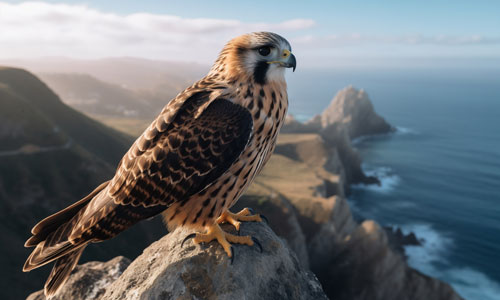
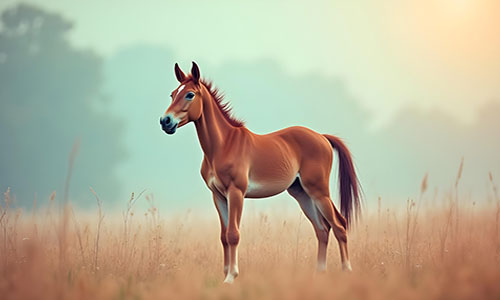
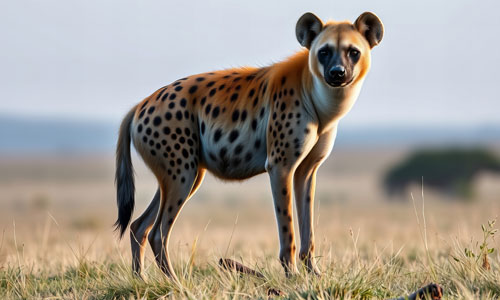
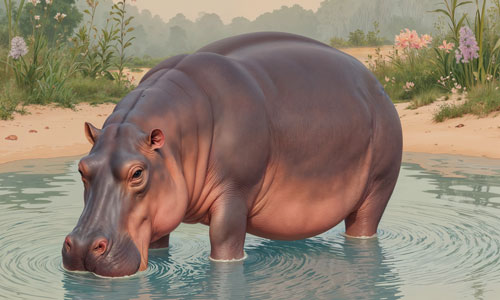
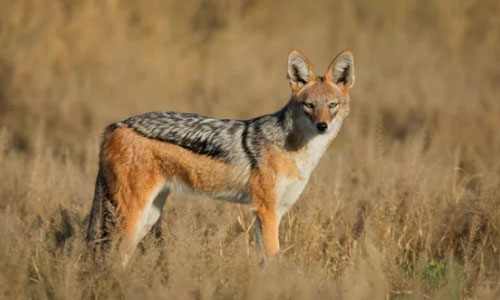
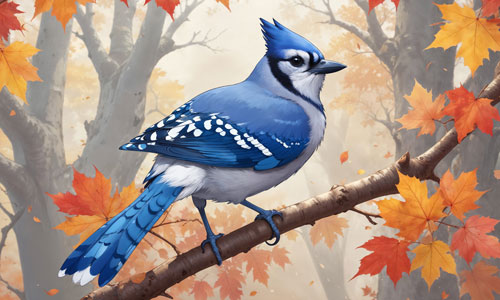
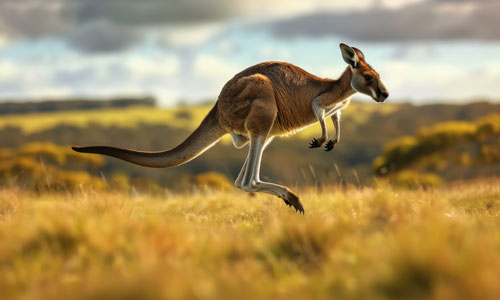
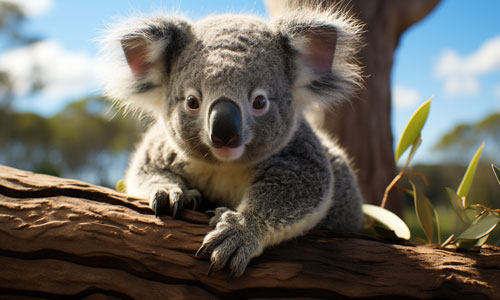
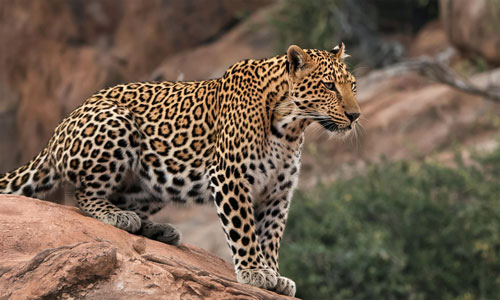
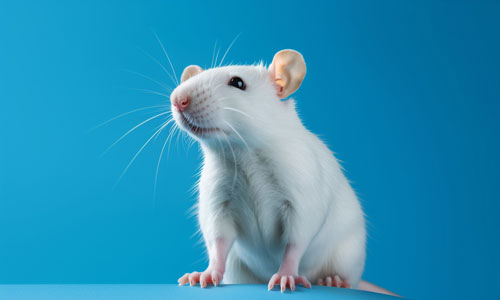
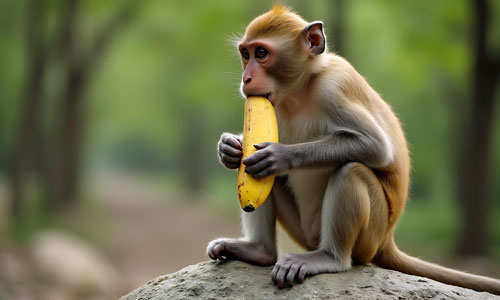
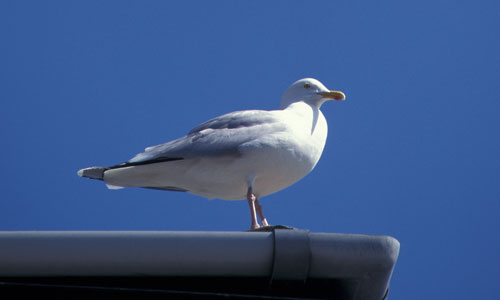
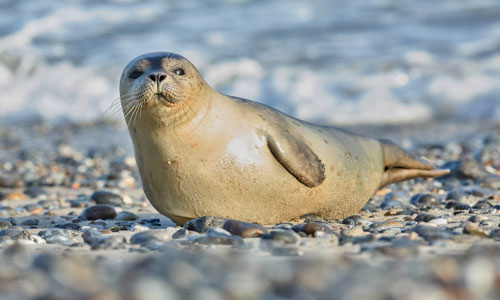
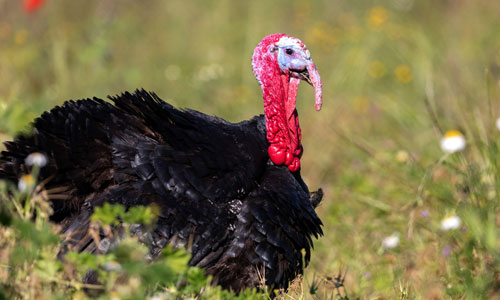
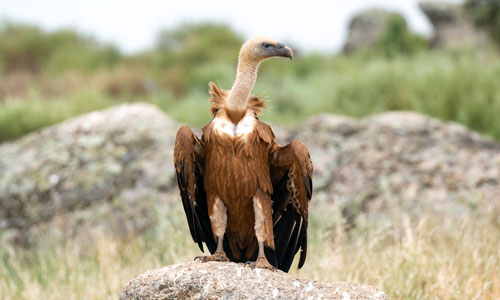
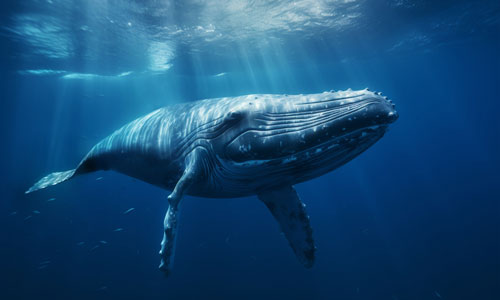
Click play on any animal below to hear its real sound. Each entry shows what the animal looks like and the words (verbs) we use to describe the noise it makes.




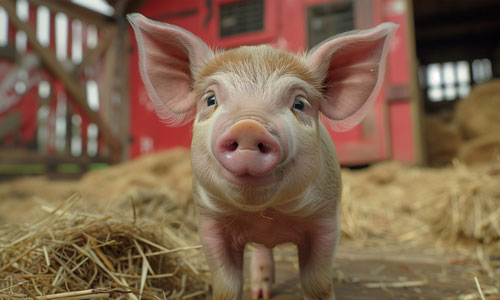
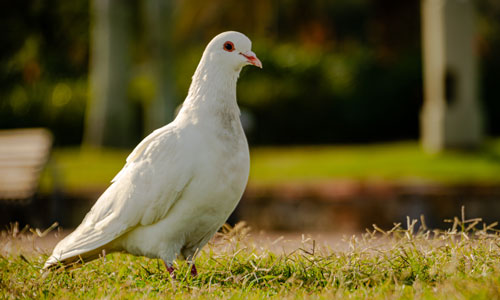
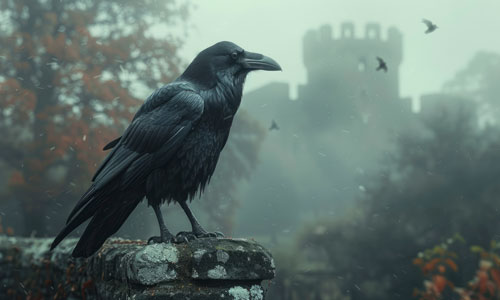
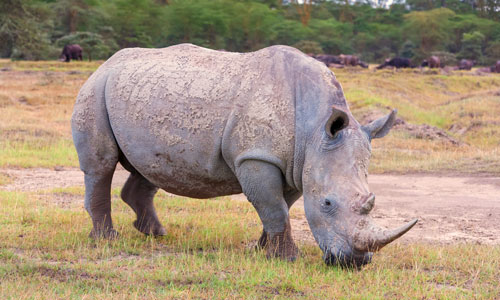
Why Do Animals Make Sounds?
Every animal sound carries a purpose. Animals vocalise for four main reasons:
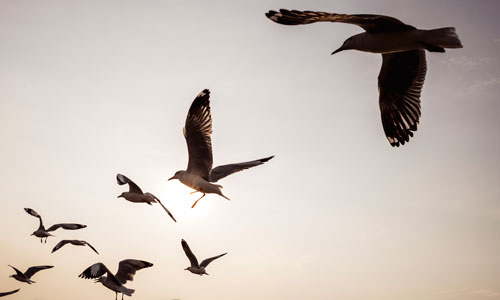
- To communicate within their group — a mother cow lows to her calf, a wolf pack howls to stay in contact, geese honk to keep formation while flying.
- To warn off threats — a snake hisses, a cat growls, a goose cackles when an intruder approaches.
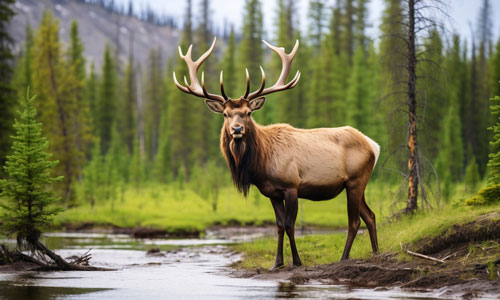
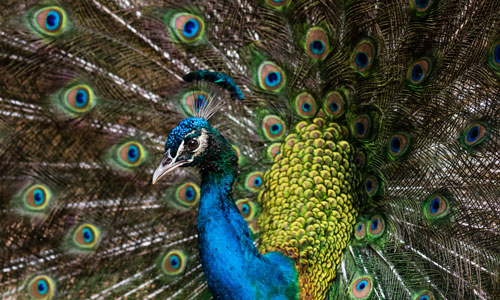
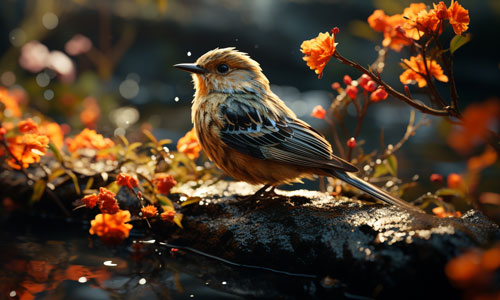
- To attract a mate — a male elk bugles in autumn, a peacock screams while fanning its tail, songbirds sing at dawn.
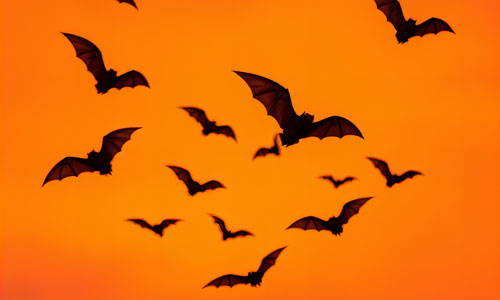
- To navigate and find food — bats and dolphins use clicks for echolocation, sending out sound waves and listening for echoes that bounce off prey.
Animal Sounds in English: A Note on Verbs
English has a special verb for almost every animal sound. A dog doesn't just make a noise — it barks. A horse neighs, a cow moos, a lion roars, a snake hisses. These verbs are often used in everyday language too. We say a person is "barking orders," that an engine "purrs," or that someone is "crowing" about their success. Learning animal-sound verbs is a fun way for kids to grow their vocabulary while connecting words to the real world.
How to Teach Animal Sounds to Kids
Children between 12 months and 5 years pick up animal sounds quickly because the words are short, repetitive and easy to imitate. Here are simple ways to make the learning stick:
- Listen and repeat together. Play an audio clip above, name the animal, and ask your child to copy the sound.
- Match sounds to pictures. Point to each picture on this page and ask, "What sound does this one make?"
- Play "Guess the Animal." Cover the screen, play a sound and let the child guess which animal it is.
- Sing along. Songs like "Old MacDonald Had a Farm" reinforce farm-animal sounds through rhythm.
- Visit a zoo, farm or pet shop. Real-life encounters help children link the sounds they hear on screen with living animals.
- Read animal books aloud and pause to make the sound whenever an animal appears.
Frequently Asked Questions
What are animal sounds?
Animal sounds are the vocalisations animals use to communicate — a dog's bark, a cow's moo, a lion's roar, a bird's chirp. Animals make these sounds to warn others of danger, attract mates, call their young, mark their territory or signal that food is nearby.
What sound does a lion make?
A lion roars. Lions also growl and snarl. A lion's roar can be heard up to 5 miles (about 8 kilometres) away and is used to mark territory and call to other members of the pride.
What sound does an elephant make?
An elephant trumpets. Elephants also rumble, bellow and produce very low-frequency sounds called infrasound, which travel long distances and let herds communicate over many kilometres.
Why do animals make sounds?
Animals make sounds for four main reasons: to communicate with their own species, to warn off predators or rivals, to attract a mate during the breeding season, and to navigate or find food. Bats and dolphins, for example, use clicks for echolocation.
At what age do children start learning animal sounds?
Most children begin recognising and imitating common animal sounds between 12 and 24 months of age. Simple sounds like moo, baa, woof and meow are usually the first because they use easy consonant-vowel patterns that toddlers can copy.
What is the loudest animal sound?
The blue whale is the loudest animal on Earth. Its calls can reach 188 decibels and travel hundreds of miles underwater. On land, the howler monkey is one of the loudest, with calls audible up to 3 miles away.
How can I teach my child animal sounds?
Play the audio clips on this page together and ask your child to repeat each sound, point to the matching picture and name the animal. Reinforce learning with picture books, animal-sound songs, visits to a zoo or farm, and simple games like "guess the animal from its sound."
Animal sounds open a doorway into the natural world. Whether a child is mooing along with a cow, hissing with a snake, or roaring with a lion, every sound teaches something new about how creatures live, communicate and survive. Bookmark this page and come back any time you want to hear nature's symphony in action.
 CLAT Aspirants
 Back to School
 Craft Ideas for Kids
 Benefits of Yoga for Kids
 Fun and Jokes
 Stories for Kids
 School Projects & Homework Help
 Hobbies
