
The Field Guide
The 5 core cognitive skills, in plain English
"Cognitive skills" can sound clinical, but they're just names for things kids already do every day. Here's what each one actually looks like in practice.
Memory
Holding on to what you just saw, heard, or figured out — long enough to use it.
Attention
Staying locked on one task while the rest of the world tries to pull focus away.
Logic & Reasoning
Spotting patterns and working out what comes next, or what doesn't belong.
Processing Speed
How quickly the brain takes in information and turns it into a response.
Problem-Solving
Trying an idea, checking if it worked, and adjusting — the loop behind every "aha".
Why It Works
Why a hidden-animal puzzle is a workout in disguise
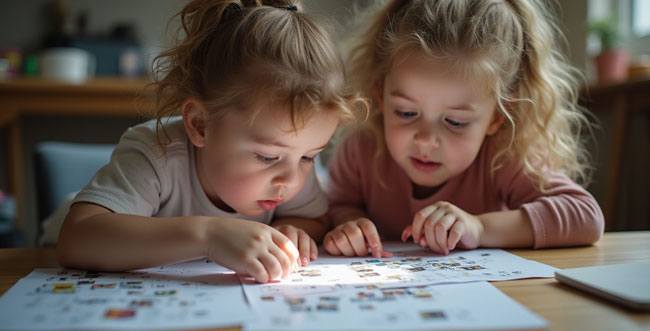
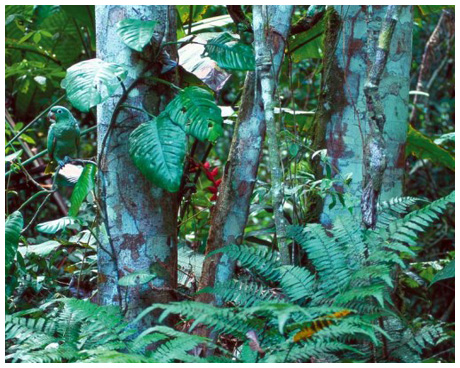
A busy jungle scene isn't just a picture — it's a training ground. Here's what's actually happening in a child's head while they search.
The eyes learn to scan a scene systematically instead of jumping around at random — the same skill that makes reading and worksheets easier later.
Holding "I'm looking for something with wings" in mind while scanning trains working memory, the mental sticky-note kids use for multi-step instructions.
Staying with a tricky scene past the first thirty seconds — instead of giving up — builds the patience that carries over into homework and tests.
The Challenge
Can you find the hidden animals?
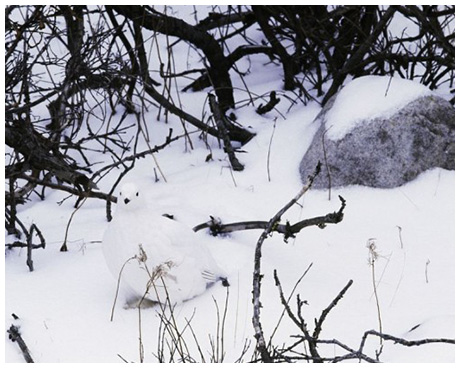
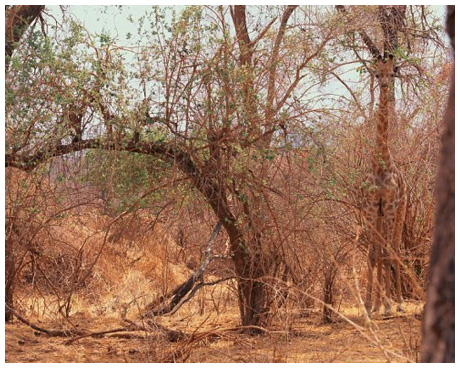
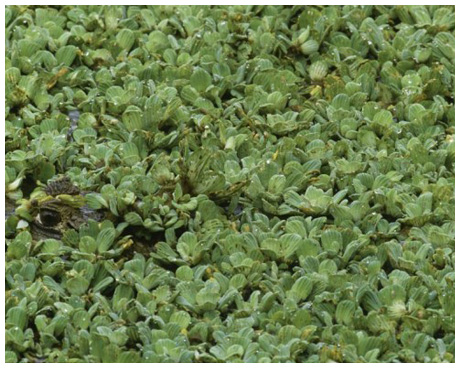
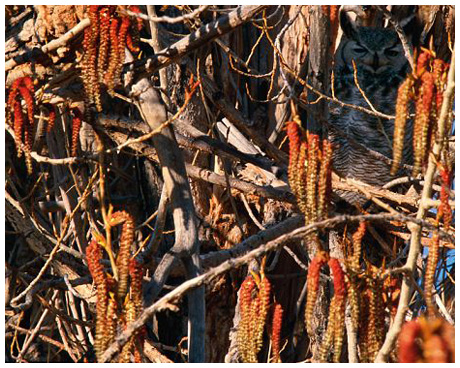
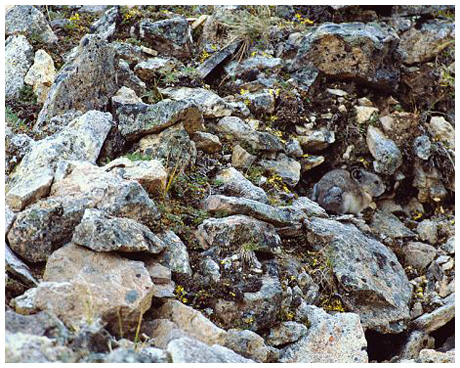
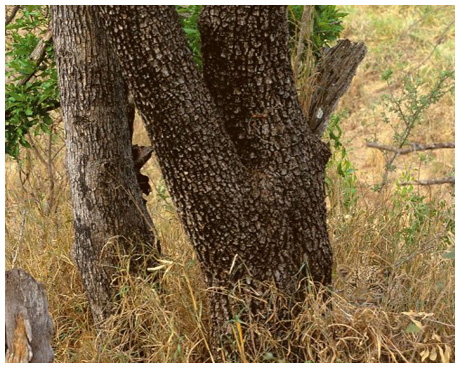
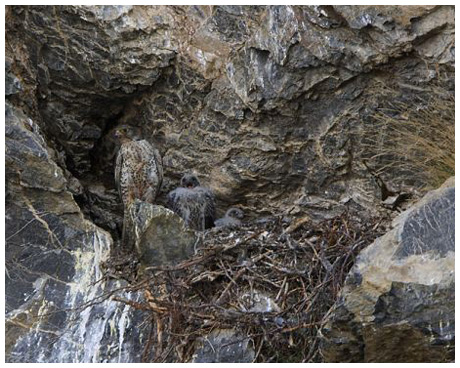
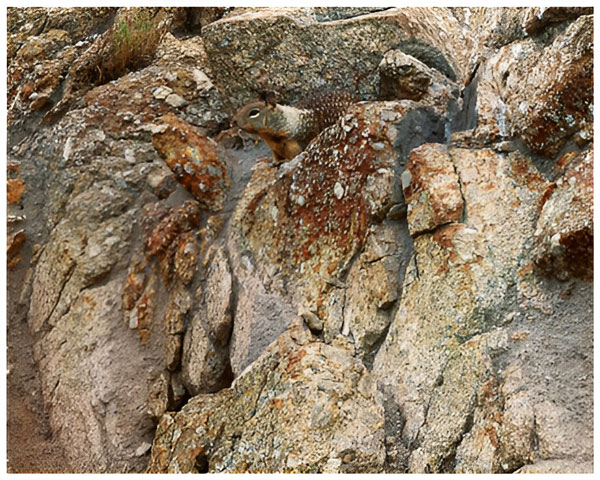
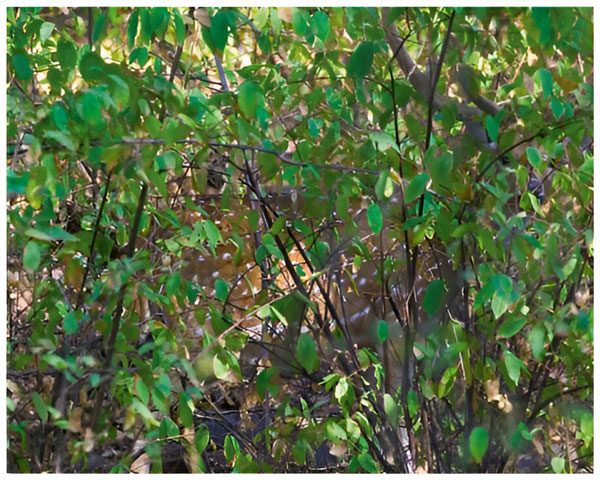
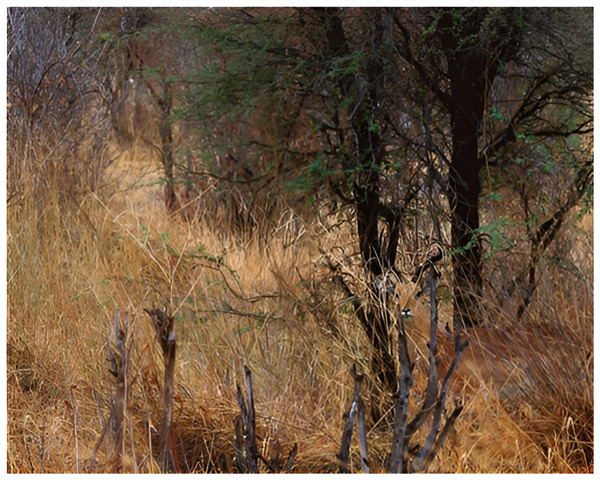
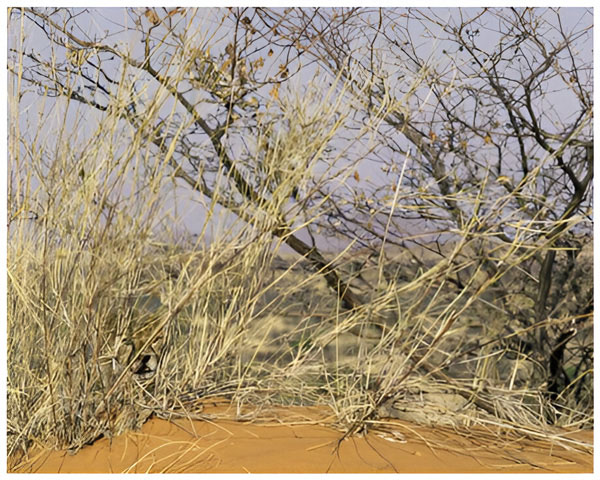
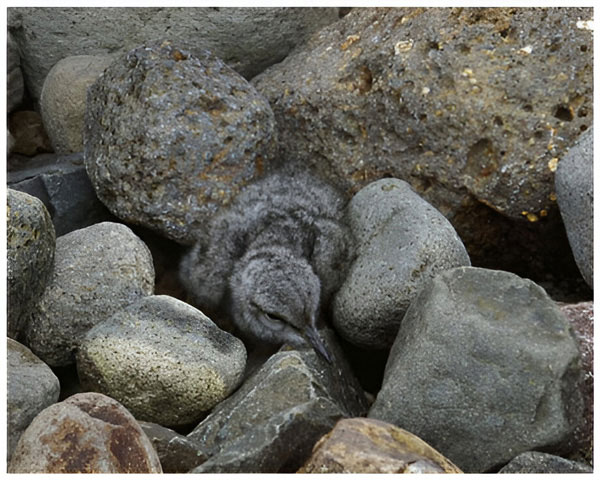
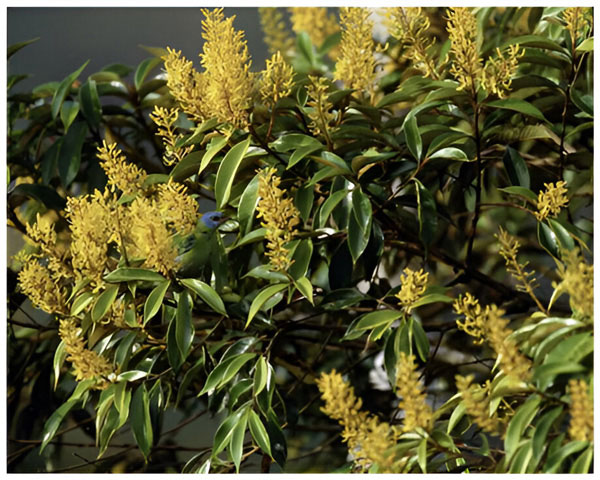
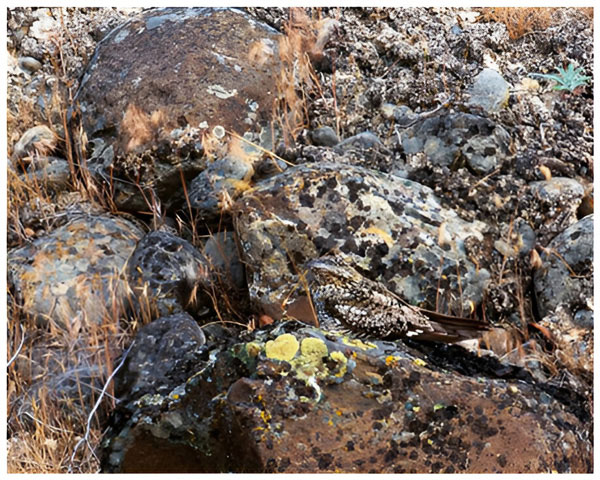
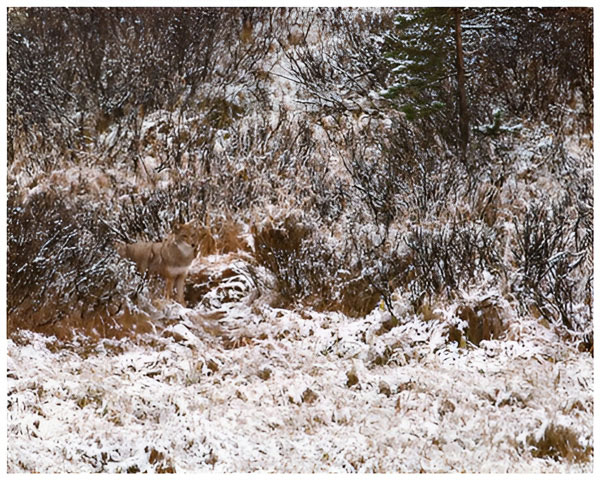
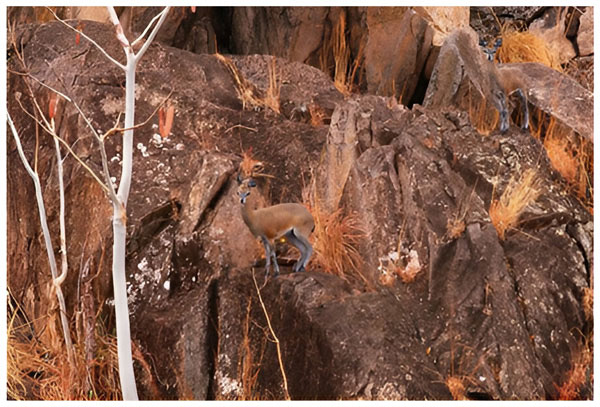
Eighteen scenes, one hidden creature in each. Study every picture carefully – the animal is camouflaged, not missing. Tap "Reveal" only once you've made your best guess, then challenge a sibling or friend to beat your time.

Field Tips
Get more out of every hunt
Set a timer
Two minutes per scene turns searching into a game and trains processing speed.
Hunt in pairs
A sibling or friend adds friendly pressure and teaches kids to describe what they see out loud.
Keep a spotter's log
Jot down each animal found in a notebook — writing it down cements it in memory.
No sneak peeks
Guess before revealing. A wrong guess checked against the answer teaches more than an easy win.
Answers:
| 1. Willow Ptarmigan | 2. Giraffe |
| 3. Wolf | 4. Caiman |
| 5. Great Horned Owl | 6. American Pika |
| 7. Blue-crowned Parrot | 8. Leopard |
| 9. Gyrfalcon | 10. California Ground Squirrel |
| 11. Spotted Deer | 12. Impala |
| 13. Cheetah | 14. Wandering Tattler |
| 15. Blue Dacnis | 16. Nighthawk |
| 17. Coyote | 18. Klipspringers |
Questions, Answered
Frequently Asked Questions
What age group are these puzzles best for?
Roughly 5 to 12 years old. Younger kids can search with a parent narrating clues, while older kids can race the clock or challenge a friend.
How often should a child practice cognitive skill games?
Short, frequent sessions beat long occasional ones — ten to fifteen minutes a few times a week is enough to build noticeable gains over a school term.
Are hidden-picture puzzles actually good for brain development?
Yes. Scanning a busy scene for a specific target trains sustained visual attention, working memory, and pattern recognition — core building blocks of academic learning.
Do these games replace a professional learning assessment?
No. These are enrichment activities for everyday practice, not a diagnostic tool. If you have concerns about your child's learning or attention, speak with a pediatrician, teacher, or learning specialist.


