

The History of Father's Day: Origins and Evolution
Father's Day is a special occasion celebrated worldwide to honor fathers and father figures for their love, guidance and contributions to family and society. But how did this meaningful day begin? The history of Father's Day is a fascinating story of appreciation, social effort and cultural recognition that stretches across more than a century.
Early Inspirations: Honoring Fathers Through the Ages
The idea of dedicating a day to fathers reaches back to ancient times, when many cultures honored paternal figures and father gods. The modern Father's Day, however, took shape much more recently — in the early 20th century in the United States, as a heartfelt response to a simple question: if mothers had a day of their own, why not fathers?
The Mother's Day Influence
The success of Mother's Day, established in 1908 and championed by Anna Jarvis, directly inspired the call for a matching day to celebrate fathers. As Mother's Day spread across America, many people felt that fathers — so often the providers, protectors and moral guides of the family — deserved the same recognition. That growing sentiment set the stage for the first Father's Day observances.
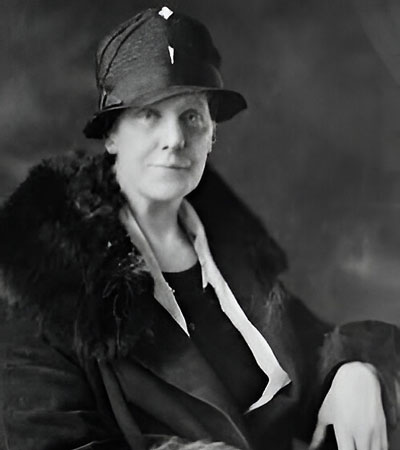
The First Father's Day Service: Grafton, 1908
The earliest known Father's Day observance took place on July 5, 1908, in Grafton, West Virginia. A church service was held there to honor 362 men who had died the previous December in a mining explosion in nearby Monongah — one of the worst mining disasters in American history. Many of those men were fathers, and the service was a tribute to them. Though it was a one-time event rather than the start of an annual tradition, Grafton is widely remembered as the site of the first Father's Day service.
The Birth of Modern Father's Day: Spokane, 1910
The Father's Day that became an annual celebration began with Sonora Smart Dodd of Spokane, Washington. In 1909, after listening to a Mother's Day sermon, Dodd was moved to propose a similar day for fathers — in honor of her own father, William Jackson Smart, a Civil War veteran who had raised six children alone after his wife died. With the support of local churches and community groups, the first Father's Day celebration was held on June 19, 1910, in Spokane.
Growth and Challenges
Despite that early start, Father's Day was slow to gain national acceptance. Unlike Mother's Day, which was quickly embraced, Father's Day met resistance — some saw it as a commercial invention, and others felt fathers would not welcome the sentimental fuss. For decades the day was promoted, debated and quietly observed without official status, kept alive largely by retailers and by supporters who believed fathers deserved their due.
National Recognition and Global Spread
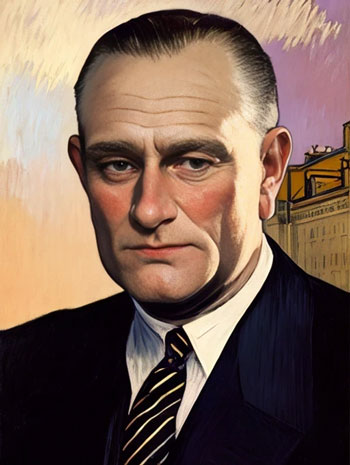
Recognition came gradually. In 1966, President Lyndon B. Johnson issued the first presidential proclamation honoring fathers, designating the third Sunday of June as Father's Day. Six years later, in 1972, President Richard Nixon signed Father's Day into permanent law, making it an official national holiday in the United States — more than sixty years after that first celebration in Spokane.
Today, Father's Day is celebrated in countries all over the world. In the United States, the United Kingdom, Canada, India and many other nations it falls on the third Sunday of June, while other countries observe it in March, September or November. The dates and customs differ, but the purpose is shared everywhere: to honor fatherhood and say thank you to the men who guide and support their families.
Father's Day Traditions Around the World
Father's Day traditions are as varied as the cultures that keep them. In many countries children make handmade cards or small gifts; in others the day centers on a family meal or an outing chosen by dad. In Germany, Father's Day is marked with group hikes; in Thailand it is tied to the birthday of the late king and celebrated with the color yellow. However it is observed, the heart of the day is the same — time, attention and gratitude.

Why Father's Day Matters
Father's Day is more than a date on the calendar. It is a reminder of the role fathers play in shaping lives, families and communities, and an invitation to reflect on the bonds we share with them. It celebrates the sacrifices, the steady guidance and the everyday presence of fathers and father figures — and encourages positive, involved fatherhood.
Whether through a grand gesture or a quiet moment together, Father's Day remains a heartfelt chance to say "thank you" to the men who have made a difference in our lives. To celebrate, explore our Father's Day hub for crafts, quotes, poems, recipes and more.
Frequently Asked Questions About Father's Day History
Who started Father's Day?
The modern Father's Day is credited to Sonora Smart Dodd of Spokane, Washington, who proposed the idea in 1909 to honor her father, a Civil War veteran who raised six children alone. An earlier Father's Day church service was also held in Grafton, West Virginia, in 1908.
When was the first Father's Day celebrated?
The first Father's Day celebration organized by Sonora Smart Dodd was held on June 19, 1910, in Spokane, Washington. A church service honoring fathers had taken place earlier, on July 5, 1908, in Grafton, West Virginia.
When did Father's Day become a national holiday?
Father's Day became a permanent national holiday in the United States in 1972, when President Richard Nixon signed it into law. President Lyndon B. Johnson had issued the first presidential proclamation honoring fathers in 1966.
Why was Father's Day created?
Father's Day was created to honor fathers and father figures, inspired by the success of Mother's Day. It recognizes the role fathers play as providers, protectors and guides, and gives children a day to show their appreciation.
 Back to School
 Craft Ideas for Kids
 Benefits of Yoga for Kids
 Fun and Jokes
 Stories for Kids
 School Projects & Homework Help
 Hobbies
