
Activities for Diwali – Fun, Festive & Creative Ideas
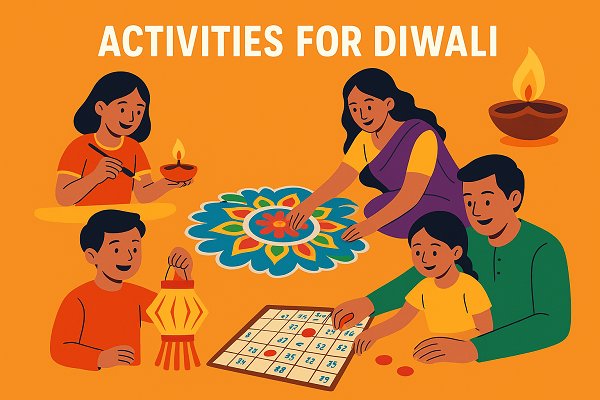
Diwali, the Festival of Lights, is a time of joy, prosperity, and togetherness. It’s a five-day celebration that brings families and communities together to mark the victory of light over darkness and good over evil. While the core of the festival lies in its spiritual significance, the true magic is in the shared experiences and traditions. To help you make this Diwali your most memorable one yet, we've curated a list of fun, festive, creative, engaging, and heartwarming diwali activities for everyone to enjoy.
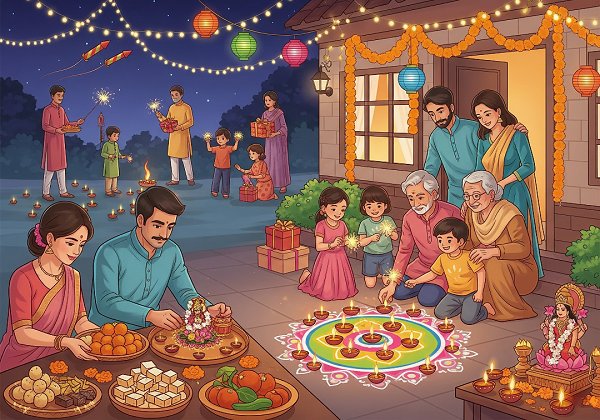
Traditional Diwali Activities
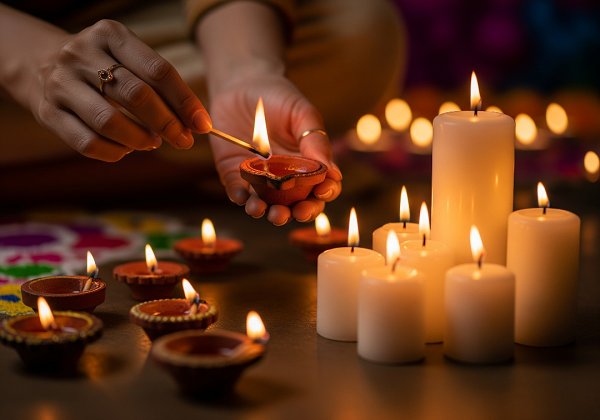
Lighting Diyas & Candles
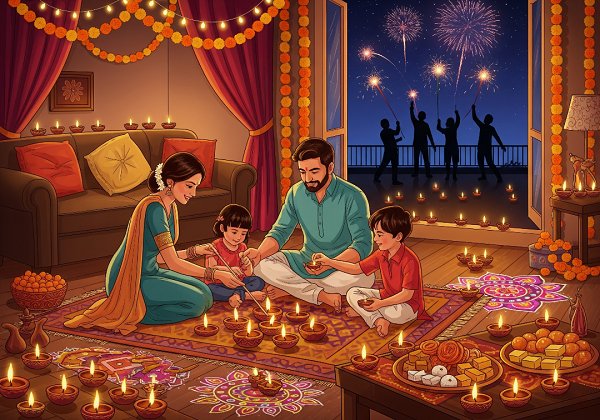
Lighting diyas (traditional oil lamps) and candles is one of the most cherished and symbolic activities of Diwali. It represents the triumph of light over darkness, knowledge over ignorance, and good over evil. Every home, street, and temple glows with rows of flickering diyas, creating a magical and serene atmosphere.
Why We Light Diyas on Diwali
- Spiritual Significance: Diyas are believed to invite Goddess Lakshmi, the deity of wealth and prosperity, into homes. The warm light symbolizes purity, positivity, and auspicious beginnings.
- Cultural Tradition: Lighting lamps has been an age-old practice during Diwali, reminding us of Lord Rama’s return to Ayodhya, when the city was illuminated with thousands of diyas.
- Symbol of Togetherness: Families gather to light diyas and candles together, strengthening bonds and spreading joy.
Different Ways to Light Diyas & Candles
- Clay Diyas: Traditional earthen lamps filled with oil and cotton wicks.
- Decorated Diyas: Hand-painted diyas, often crafted or painted at home for a personalized touch.
- Floating Diyas: Diyas placed in bowls of water with flowers for decorative beauty.
- Scented Candles: Modern, eco-friendly alternatives that also spread soothing fragrances.
- LED Diyas & Candles: Safe and reusable options for eco-conscious celebrations.
Fun Activity Idea for Families & Kids
Organize a diya painting session before Diwali. Children and adults can paint, decorate, and personalize diyas with colors, glitters, and patterns. Later, light them together on Diwali night for a more memorable celebration.
Making Rangoli
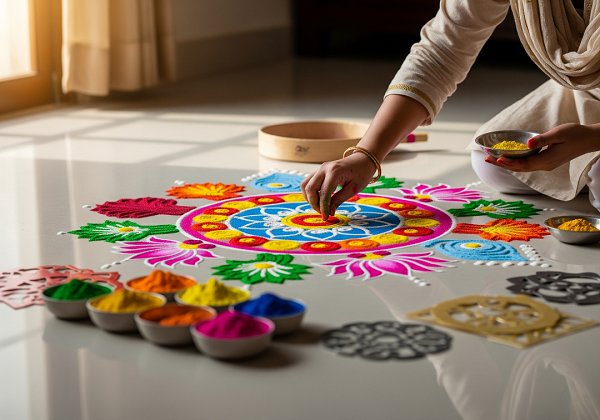
Rangoli is one of the most colorful and creative traditions of Diwali. These beautiful floor designs, made using powders, flowers, or colored sand, are placed at the entrance of homes to welcome guests and invite Goddess Lakshmi. Creating rangoli is not just an artistic activity but also a way of spreading positivity and festive spirit.
Significance of Rangoli in Diwali
- Welcoming Prosperity: Rangoli is believed to bring good luck, prosperity, and happiness into the household.
- Auspicious Symbolism: The designs often include motifs like lotus, peacocks, diyas, and geometric patterns that symbolize joy and prosperity.
- Cultural Bonding: Making rangoli is a family activity where everyone contributes ideas and creativity, strengthening togetherness.
Types of Rangoli Designs
- Traditional Rangoli: Geometric patterns, deities, and floral motifs using colored powders.
- Floral Rangoli (Pookalam style): Fresh flower petals like marigold, rose, and jasmine arranged in circular patterns.
- Rice & Pulses Rangoli: Using natural colors from rice grains, pulses, or grains for eco-friendly decoration.
- Stencil Rangoli: Pre-designed stencils for quick and neat patterns, ideal for kids and beginners.
- Modern Rangoli: Fusion designs made with glitter, crystals, or even digital rangoli lights.
Fun Activity Idea for Families & Kids
- Host a Rangoli Competition at home or in your community. Give children and adults their own spaces to create designs with colors, flowers, or chalk. Award small prizes for creativity, neatness, or originality.
- Alternatively, try a family rangoli project where each member contributes to a large central design.
Worship & Rituals
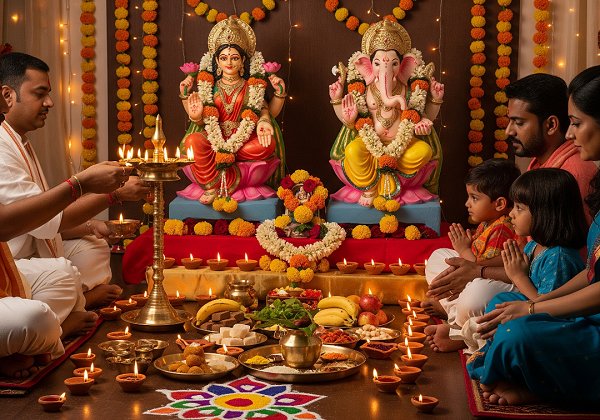
Worship and rituals are at the heart of Diwali celebrations. The festival is not just about lights, sweets, and decorations—it also carries deep spiritual meaning. Families gather to perform pujas (prayers) to seek blessings for prosperity, health, and happiness.
Significance of Diwali Worship
- Lakshmi Puja: The main ritual of Diwali is dedicated to Goddess Lakshmi, the goddess of wealth and prosperity. Lighting diyas and offering prayers is believed to invite her blessings into the home.
- Lord Ganesha: Worship of Lord Ganesha, the remover of obstacles, is performed before beginning any Diwali puja. Together, Lakshmi and Ganesha symbolize wisdom and prosperity.
- Victory of Good over Evil: Rituals remind devotees of Lord Rama’s return to Ayodhya after defeating Ravana and of the eternal triumph of righteousness.
Common Diwali Rituals
- Cleaning & Decorating Homes: Families thoroughly clean and decorate their homes to welcome positive energy.
- Altar Setup: An area is prepared with idols or pictures of Goddess Lakshmi and Lord Ganesha, adorned with flowers, rangoli, and diyas.
- Lakshmi Puja: Performed in the evening with offerings of sweets, fruits, coins, and incense. Special mantras and aarti are chanted.
- Lighting Diyas: Rows of diyas are lit inside and outside the home to dispel darkness.
- Exchange of Prasad: After prayers, families distribute sweets and prasad among relatives, neighbors, and guests.
Fun Family Activity Idea
- Organize a family puja night where each member takes part in the rituals—children can light diyas, adults can chant mantras, and elders can share stories about the spiritual meaning of Diwali.
- Create a puja checklist for kids to follow, making them feel more involved and connected to tradition.
Fun Games & Group Activities
Musical Chairs with festive songs
Musical Chairs is a timeless party game, and when combined with the energy of Diwali, it becomes even more exciting. Playing this fun activity with festive songs brings laughter, cheer, and healthy competition to family gatherings, office parties, or community celebrations.
Why Musical Chairs is Perfect for Diwali
- Inclusive Fun: Suitable for kids, adults, and elders—everyone can participate.
- Festive Vibes: Playing to the beats of Diwali bhajans, Bollywood hits, or dhol-tasha adds a cultural flavor.
- Ice-Breaker: Great for social gatherings where guests may be meeting for the first time.
How to Play Musical Chairs for Diwali
- Arrange Chairs: Place chairs in a circle, with one less chair than the number of participants.
- Play Festive Music: Use Diwali songs, traditional bhajans, or Bollywood festive tracks.
- Start the Game: Participants walk around the chairs while the music plays.
- Grab a Seat: When the music stops, everyone must quickly sit. The one left standing is out.
- Continue Until One Winner Remains.
Fun Variations for Diwali
- Themed Musical Chairs: Decorate chairs with diyas, rangoli, or flowers for a festive look.
- Kids’ Special: Instead of eliminating players, let them perform a quick Diwali-themed task (like naming a sweet or festival ritual) before rejoining.
- Family Twist: Play in teams—kids vs. adults, cousins vs. parents—for extra laughter.
Treasure Hunt with Diwali treats
A Treasure Hunt is a fun-filled game that adds excitement and curiosity to Diwali celebrations. By hiding sweets, gifts, or festive surprises around the home or garden, families and friends can enjoy a playful activity that blends tradition with entertainment. This game is especially loved by children, but adults enjoy the thrill just as much!
Why a Treasure Hunt is Perfect for Diwali
- Festive Surprise Element: Everyone loves discovering hidden gifts or sweets during the celebrations.
- Family Bonding: Encourages teamwork, laughter, and joyful competition.
- Creative Twist on Tradition: Adds a modern, interactive touch to the festive mood.
How to Organize a Diwali Treasure Hunt
- Decide the Treasure: Use Diwali treats like laddoos, chocolates, small gifts, or decorative diyas.
- Create Clues: Write simple riddles, puzzles, or festive trivia that lead to the next location.
- Example: “I shine bright on Diwali night, find me near the entrance light!” (Answer: diya near the front door).
- Hide the Treasures: Place goodies in safe spots around the house, balcony, or garden.
- Set the Rules: Decide whether it’s individual or team-based.
- Declare the Winner: The player or team with the most treasures wins a special prize.
Fun Variations for Diwali
- Kids’ Hunt: Use easy clues and hide chocolates, toys, or colorful rangoli stencils.
- Adults’ Hunt: Add slightly tricky riddles, involving mythology or Diwali traditions.
- Community Treasure Hunt: Organize it in your neighborhood or housing society with group participation.
Bursting crackers
Bursting crackers has long been one of the most popular and exciting activities of Diwali. The dazzling lights, vibrant colors, and joyful sounds create a festive atmosphere that is loved by children and adults alike. It symbolizes the celebration of victory, the spreading of joy, and the triumph of light over darkness.
Why People Burst Crackers on Diwali
- Symbol of Celebration: Fireworks are seen as a way to express happiness and mark the festive spirit.
- Mythological Significance: Traditionally, crackers were believed to drive away evil spirits and negativity during Diwali.
- Community Joy: The spectacle of lights and sounds creates a shared experience of celebration in neighborhoods and communities.
Types of Crackers Commonly Used
- Sparklers (Phuljhadis): Safe and fun for children under adult supervision.
- Ground Spinners (Chakris): Create beautiful spinning sparks.
- Flower Pots (Anars): Emit colorful showers of light.
- Rockets: Light up the night sky with spectacular displays.
- Eco-Friendly Crackers: Reduced-noise and low-smoke varieties that minimize pollution.
Safety Tips for Bursting Crackers
- Always light crackers in open spaces, away from flammable materials.
- Keep a bucket of water or sand nearby in case of emergencies.
- Children should only burst crackers under adult supervision.
- Wear cotton clothes (avoid synthetic fabrics) to reduce fire risk.
- Dispose of used crackers safely to avoid accidents.
While crackers bring joy, they also cause pollution and disturb animals and the elderly. For a more responsible celebration choose green crackers that produce less smoke and noise.
Creative Activities for Kids & Families
Diya Painting & Decoration
Painting and decorating diyas is one of the most creative and enjoyable activities during Diwali. Diyas (clay lamps) are symbols of purity, positivity, and prosperity, and when decorated beautifully, they add charm and warmth to the festive atmosphere. This activity is perfect for children, families, and even communities to bond while preparing for the Festival of Lights.
Significance of Decorating Diyas
- Symbol of Light & Positivity: A painted diya represents hope, joy, and the victory of light over darkness.
- Welcoming Goddess Lakshmi: Bright and decorated diyas are believed to invite wealth, health, and prosperity into homes.
- Creative Expression: Each decorated diya reflects unique designs, colors, and cultural inspiration.
Steps to Decorate Diyas
- Clean the Diyas: Soak clay diyas in water to remove dust, then dry completely.
- Apply Base Coat: Paint a solid background with bright colors like red, yellow, or blue.
- Add Designs: Use fine brushes or stencils to create patterns—florals, dots, swirls, or rangoli-style motifs.
- Decorate: Stick mirrors, sequins, beads, or glitter for extra sparkle.
- Finish with Varnish: Apply a thin coat of varnish to protect the colors and add shine.
Fun Activity Idea for Families & Kids
- Host a Diya Decoration Contest at home or in your community. Provide each participant with plain diyas, paints, and decorations. Display all the decorated diyas together on Diwali night for a glowing masterpiece.
- For younger children, try finger-painting diyas or using stickers for safe and fun involvement.
Crafting Torans (door hangings)
Torans, also known as bandhanwars or decorative door hangings, are an important part of Diwali decorations. Traditionally hung at the entrance of homes, torans are believed to welcome guests and invite Goddess Lakshmi, bringing prosperity and happiness. Making torans at home is a wonderful creative activity that families can enjoy together during the festive season.
Significance of Torans in Diwali
- Welcoming Positivity: A beautifully crafted toran at the doorway symbolizes good luck, joy, and auspicious beginnings.
- Cultural Tradition: Torans have been part of Indian households for centuries, often made with mango leaves, marigold flowers, or beads.
- Art & Creativity: Crafting torans gives families a chance to express creativity while preserving cultural traditions.
How to Make a Simple DIY Toran
- Base String or Rope: Take a sturdy thread, ribbon, or jute rope as the base.
- Choose Decorations: Use flowers, beads, mirrors, shells, or paper cutouts.
- Arrange & Attach: Sew or glue the decorations evenly along the base rope.
- Add Finishing Touches: Tie tassels, bells, or hanging motifs for a festive look.
- Hang at the Entrance: Place the toran above the main door to complete the festive décor.
Fun Family Activity Idea
- Organize a toran-making workshop at home with kids and elders. Each family member can design one section, and then all the pieces can be tied together for a unique, collaborative creation.
- For children, provide simple paper cutouts or fabric strips with glue to make colorful and easy designs.
Modern Diwali Celebrations
Eco-Friendly Fireworks Alternatives
While bursting crackers has been a traditional part of Diwali, it also contributes to air and noise pollution, which can harm the environment, animals, and even our health. In recent years, many families have started adopting eco-friendly ways to celebrate without compromising on the festive fun. Choosing alternatives not only makes Diwali greener but also creates safer, more meaningful celebrations for everyone.
Why Choose Eco-Friendly Alternatives?
- Reduce Pollution: Avoids smoke, dust, and harmful chemicals released by firecrackers.
- Protect Animals & Birds: Pets and street animals are often scared or injured by loud cracker sounds.
- Healthier Celebrations: Keeps the air cleaner and reduces breathing issues caused by smoke.
- Sustainable Traditions: Encourages eco-conscious practices while keeping the festive joy alive.
Eco-Friendly Alternatives to Fireworks
- Sky Lanterns: Release biodegradable paper lanterns into the night sky, creating a magical view.
- Laser & Light Shows: Organize community light shows with lasers, LEDs, or projectors for a colorful spectacle.
- Eco-Friendly Crackers (Green Crackers): Opt for crackers with reduced emissions and noise, approved by eco-regulatory boards.
- Colorful Rangoli & Diyas: Replace fireworks with glowing diyas, decorated rangolis, and fairy lights to brighten up the surroundings.
- Musical Evenings & Dance Nights: Celebrate with cultural performances, dhol-tasha, or Diwali-themed music parties.
- Balloon or Confetti Poppers: Use biodegradable balloons or paper poppers for kids’ enjoyment.
Fun Family Activity Idea
- Host a “Lights & Music Night” at home or in your community. Instead of fireworks, everyone brings lanterns, candles, and fairy lights. Add music, dance, and games for an unforgettable, pollution-free celebration.
- Organize a lantern-painting activity where kids design their own sky lanterns before releasing them together in the evening.
Charity & Giving Back to the community
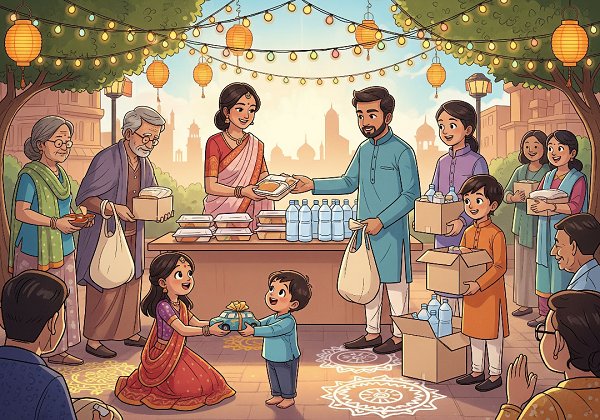
Diwali is not only about lights, sweets, and celebrations—it is also about sharing joy and spreading kindness. The Festival of Lights becomes more meaningful when we extend its warmth to those in need. Acts of charity and community service during Diwali reflect the true spirit of compassion, unity, and gratitude.
Why Charity Matters During Diwali
- Spreads Joy Beyond Homes: Sharing blessings ensures that everyone, regardless of their background, can celebrate Diwali with happiness.
- Builds Community Bonds: Helping others strengthens relationships within society and fosters harmony.
- Spiritual Fulfillment: Many traditions emphasize daan (charity) as a way of purifying the soul and inviting prosperity.
Ways to Give Back to the Community
- Distribute Sweets & Food: Share homemade or packed Diwali treats with neighbors, workers, and the underprivileged.
- Donate Clothes & Blankets: Gift warm clothes, blankets, or essentials to shelters and NGOs.
- Support Local Artisans: Buy diyas, rangoli colors, lanterns, and handicrafts directly from small artisans to support their livelihood.
- Sponsor Education or Books: Donate stationery, books, or school fees for children in need.
- Organize Community Meals: Host a bhandara (free meal) or potluck event for those less fortunate.
- Contribute to Animal Shelters: Provide food, blankets, or donations to organizations caring for stray animals affected by fireworks.
Family Activity Idea
- Encourage kids to set aside a portion of their pocket money or sweets to share with those in need.
- Organize a “Diwali Donation Drive” in your neighborhood where families collect clothes, toys, and essentials for distribution.
 CLAT Aspirants
 Durga Puja
 Craft Ideas for Kids
 Benefits of Yoga for Kids
 Fun and Jokes
 Stories for Kids
 School Projects & Homework Help
 Hobbies

CLAT Preparation for Students
7 Continents of the World
Moral Stories
Fairy Tales and Fables
Classic Stories
Betal Pachisi
Singhasan Battisi
Indian Mythology stories
School Projects
Quiz on Famous Footballers
Unsolved Mysteries
Wishes and Greetings in Many Languages
 Change Language:
Try out the other sections