

Easter Symbols and Their Meanings
Last updated:
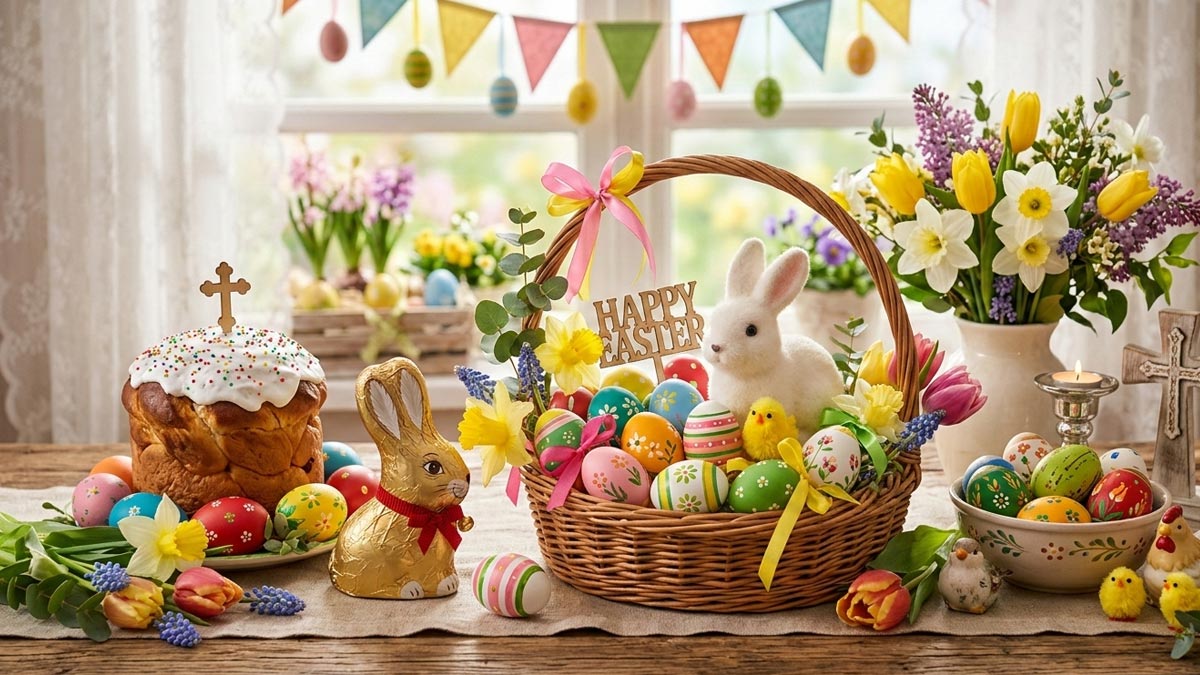
Easter symbols are rich with meaning — each one representing hope, new life, faith, and the joy of spring. From colorful Easter eggs and the Easter bunny to the cross and beautiful lilies, every Easter symbol carries a special story rooted in Christian tradition and centuries of celebration. Read on to discover what each popular Easter symbol means and why it matters in Easter celebrations around the world.
11 Easter Symbols and What They Mean
Dive into the world of Easter symbols. Each one carries deep meaning tied to Christian faith, the resurrection story, and the celebration of spring. Below is a detailed guide to the most important Easter symbols and their significance:
1. The Cross – The Central Symbol of Easter
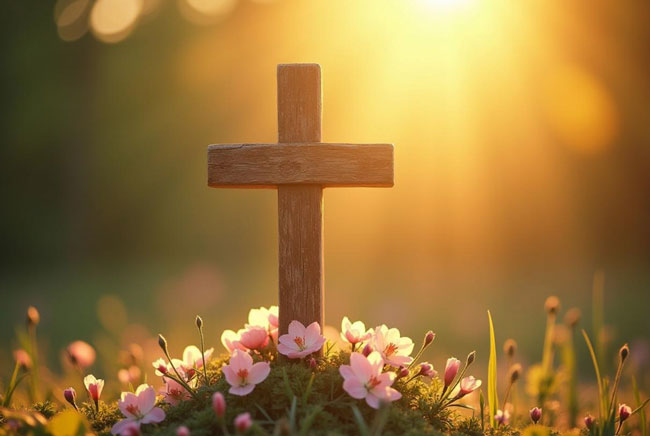
Meaning: The cross is the most recognizable and important symbol of both Christianity and Easter. It represents the crucifixion of Jesus Christ and his sacrifice for humanity's sins. During Easter, the cross is often adorned with fresh flowers or draped in white cloth to symbolize the resurrection and the promise of new life. Without the cross, there is no Easter.
2. Easter Eggs – Symbol of New Life and Resurrection
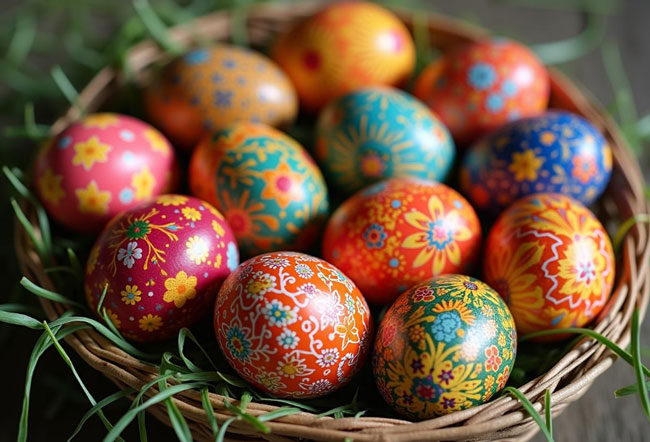
Meaning: Easter eggs are a universal symbol of new life and rebirth, perfectly aligning with the Easter theme of resurrection. The tradition of decorating eggs dates back to ancient spring festivals across many cultures. In Christian tradition, the egg symbolizes the sealed tomb from which Jesus triumphantly emerged. Brightly painted Easter eggs are given as gifts and hidden for Easter egg hunts, making them one of the most beloved Easter symbols for kids and families.
3. The Easter Bunny – Symbol of Fertility and Spring
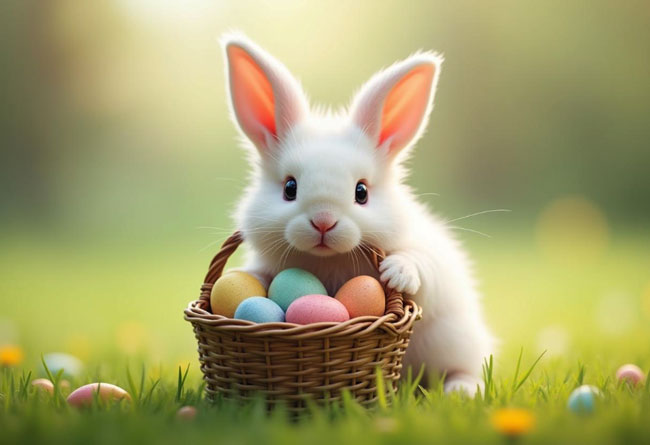
Meaning: The Easter Bunny is a beloved folkloric figure originating from 18th-century German traditions. It symbolizes fertility and new life, as rabbits are known for their prolific breeding in spring. The Easter Bunny is said to visit children on Easter morning, leaving baskets filled with decorated eggs and treats — much like Santa Claus at Christmas. Today, the Easter Bunny is one of the most recognized Easter symbols worldwide, especially for children.
4. Chicks – Symbol of Rebirth and Fresh Beginnings

Meaning: Baby chicks are a popular Easter symbol representing rebirth and fresh life. The image of a chick breaking free from its shell mirrors the idea of Christ's resurrection — new life emerging from what appeared to be an ending. Easter chicks frequently appear as decorations, greeting cards, chocolate treats, and plush toys, making them one of the most cheerful and child-friendly Easter symbols.
5. Easter Lilies – Symbol of Purity, Hope, and Resurrection
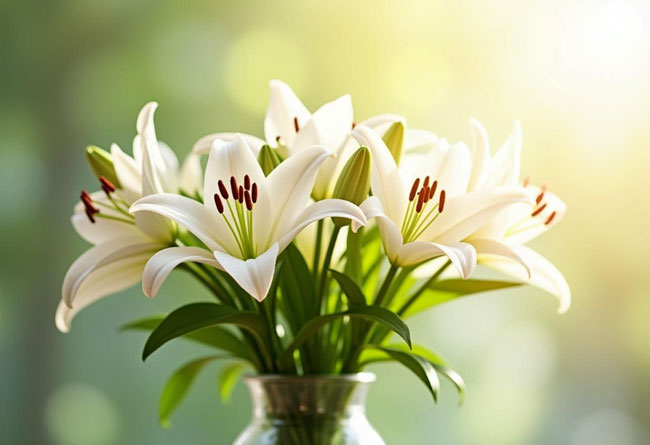
Meaning: The white Easter lily is one of the most iconic Easter symbols, representing purity, hope, and new beginnings. Its elegant trumpet-shaped blossoms are said to represent the trumpet call announcing the resurrection. Easter lilies are traditionally used to decorate churches and family homes during the Easter season, filling them with beauty and fragrance as a reminder of Christ's promise of eternal life.
6. The Lamb – Symbol of Sacrifice and Innocence
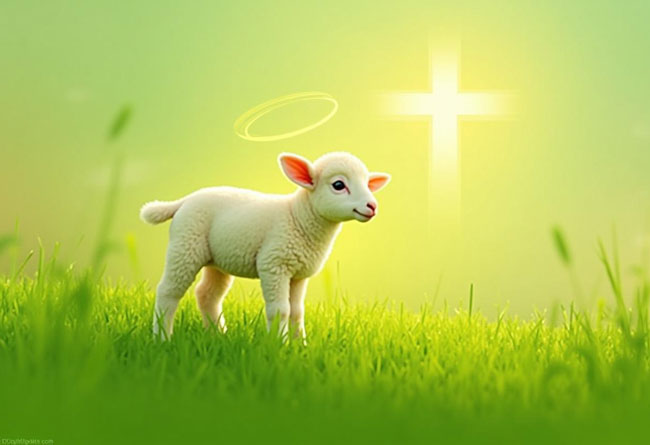
Meaning: In Christianity, the lamb is a profound Easter symbol for Jesus Christ, who is referred to as the "Lamb of God" in the Bible. The lamb represents innocence, sacrifice, and redemption — qualities embodied by Jesus in his crucifixion. In many Christian cultures, roast lamb is a traditional Easter meal, connecting the table to the deeper spiritual meaning of the holiday. The lamb is also frequently depicted in Easter art, carvings, and church decorations.
7. Hot Cross Buns – Symbol of the Crucifixion
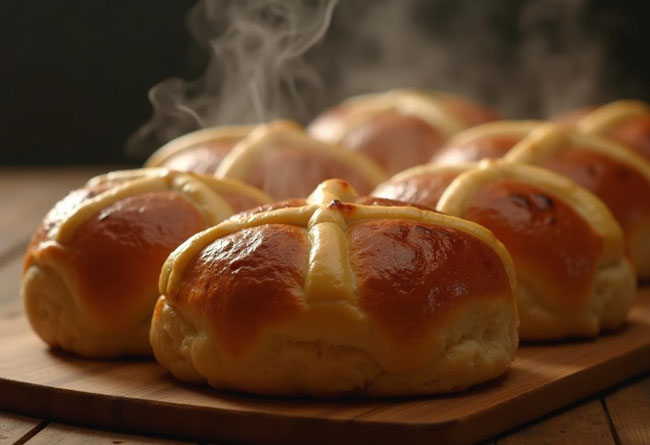
Meaning: Hot cross buns are spiced sweet buns marked with a white cross on top, traditionally eaten on Good Friday. The cross on each bun symbolizes the crucifixion of Jesus, while the spices inside represent the embalming spices used after his death. Hot cross buns are one of the oldest Easter food traditions in the UK and many Commonwealth countries, connecting the act of eating with remembrance and faith.
8. Butterflies – Symbol of Transformation and Resurrection
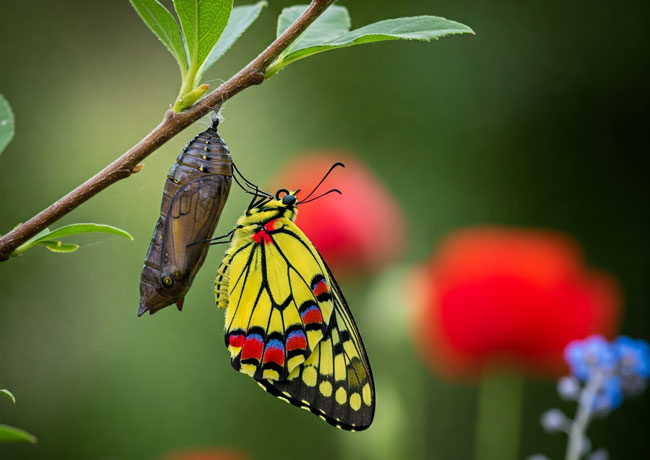
Meaning: The butterfly is one of the most visually powerful Easter symbols of transformation and resurrection. Its three-stage life cycle — from caterpillar to hidden chrysalis to glorious butterfly — beautifully mirrors the Easter story of Jesus's death, burial, and resurrection. Early Christians used the butterfly as a symbol of the soul's transformation and eternal life. Today, butterflies appear widely in Easter crafts, decorations, and greeting cards as symbols of hope and renewal.
9. Palm Branches – Symbol of Victory and Peace
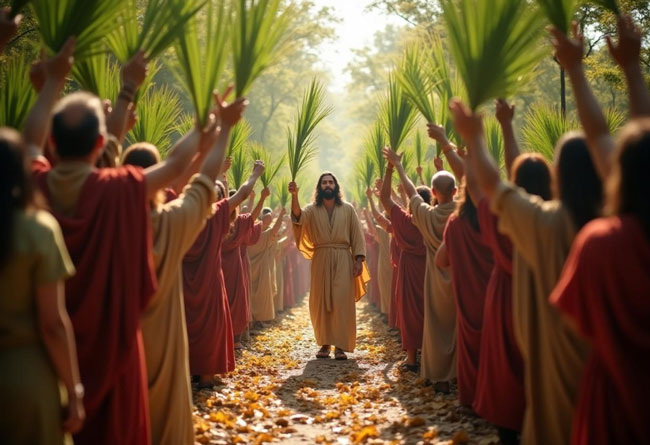
Meaning: Palm branches are closely associated with Palm Sunday, the Sunday before Easter, when crowds welcomed Jesus into Jerusalem by waving palm branches and laying them on the road. In Christian tradition, palm branches symbolize victory, peace, and eternal life. Palm Sunday marks the beginning of Holy Week — the most sacred week in the Christian calendar leading up to Easter Sunday.
10. Candles – Symbol of the Light of Christ
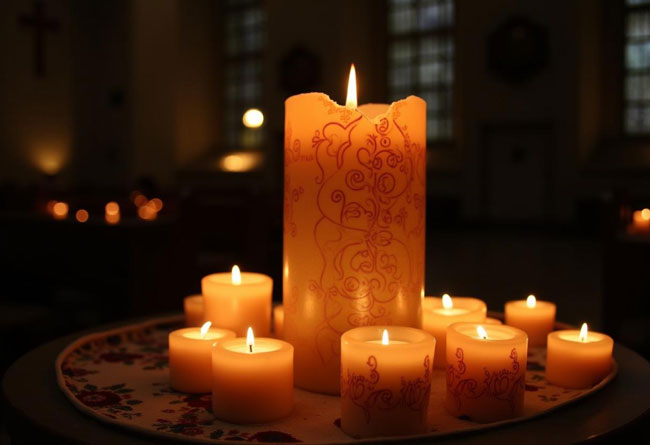
Meaning: Candles, particularly the Paschal candle, are a powerful Easter symbol representing the light of Christ overcoming the darkness of sin and death. The Easter Vigil — celebrated on the night before Easter Sunday — begins with the lighting of the Paschal candle in a darkened church, symbolizing Christ's resurrection as the light returning to the world. Candles lit during Easter services remind Christians of their call to be "the light of the world."
11. Spring Flowers – Symbol of Renewal and New Life
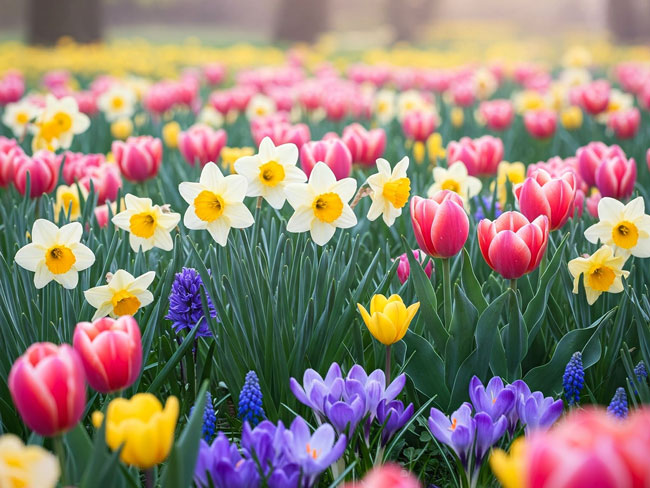
Meaning: Spring flowers such as daffodils, tulips, and hyacinths are deeply associated with Easter because they bloom each spring after lying dormant through winter — a natural parallel to the Easter themes of resurrection and renewal. Their vibrant colors and fresh fragrance fill homes and churches with a sense of joy and hope. Spring flowers are among the most widely used Easter decorations worldwide, beloved by children and adults alike.
The Deeper Meaning Behind Easter Symbols
Whether you celebrate Easter for its Christian significance or simply enjoy the traditions of spring, these Easter symbols connect us to something timeless — the universal human hope for renewal, light after darkness, and life after loss. Choose a symbol that speaks to you, perhaps the quiet strength of the palm branch or the luminous beauty of the butterfly, and let it inspire a meaningful new family tradition this Easter.
Frequently Asked Questions About Easter Symbols
What do Easter eggs symbolize?
Easter eggs symbolize new life and rebirth. In Christian tradition, they represent the resurrection of Jesus Christ and the empty tomb from which he emerged. The tradition of painting and gifting Easter eggs dates back to ancient spring celebrations and has been part of Christian Easter observance for centuries.
Why is the Easter bunny a symbol of Easter?
The Easter Bunny originated from 18th-century German folklore and represents fertility and new life. Rabbits are prolific breeders in spring, making them a natural symbol of the season's renewal. The tradition of the Easter Bunny bringing eggs and treats to children was brought to America by German immigrants and has since become a worldwide Easter custom.
What does the Easter lily represent?
The Easter lily symbolizes purity, hope, and new beginnings. Its pure white trumpet-shaped blossoms are associated with the trumpet call of resurrection and the purity of Jesus Christ. Easter lilies are widely used to decorate churches and homes during the Easter season as a symbol of the resurrection and spiritual renewal.
Why is the cross an important Easter symbol?
The cross is the central and most important Easter symbol because it represents the crucifixion of Jesus Christ — the event at the heart of the Easter story. It stands for his sacrifice, love, and ultimate victory over death through the resurrection. During Easter, the cross is often decorated with white flowers to celebrate the joy of the resurrection.
 Back to School
 Craft Ideas for Kids
 Benefits of Yoga for Kids
 Fun and Jokes
 Stories for Kids
 School Projects & Homework Help
 Hobbies

Try out the other sections