

Easter Facts
Last Updated: February 26, 2026
Complete Guide to Easter Facts
Easter is a spring celebration observed worldwide and associated with renewal, hope and new beginnings. Across cultures, the festival combines seasonal symbolism, historical traditions and family customs.
Jump to Section
Origins of Easter Symbols of Easter Easter Around the World Easter Food Traditions Amazing Easter Records More Easter Facts FAQ
Origins of Easter
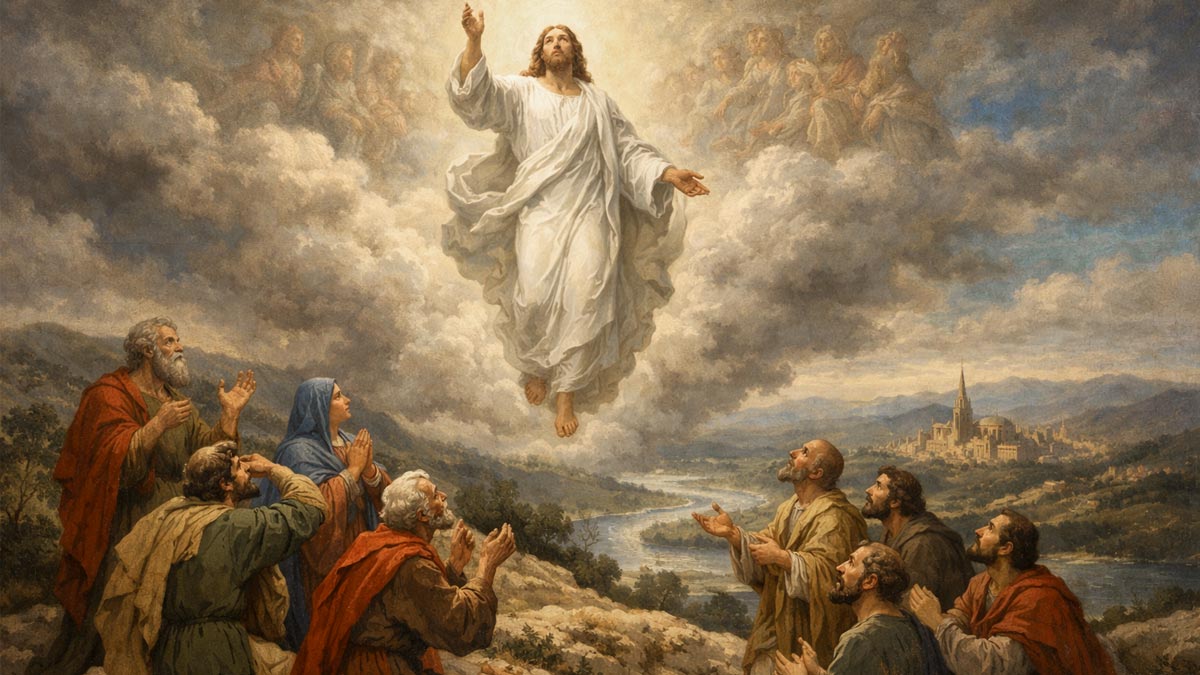
- Easter celebrates resurrection and renewal.
- The date is based on the lunar calendar.
- Easter follows the spring equinox.
- Holy Week leads to Easter Sunday.
- Sunrise services symbolize new beginnings.
- Easter concludes a fasting period.
- The celebration is linked to spring renewal.
- Early observances were tied to seasonal cycles.
- Easter traditions evolved over centuries.
- Spring festivals influenced modern customs.
Symbols of Easter
- Eggs symbolize new life.
- Rabbits symbolize fertility.
- Lilies symbolize renewal.
- Candles represent light.
- Baskets symbolize abundance.
- Decorated eggs date back centuries.
- Spring flowers are central decorations.
- New clothing symbolizes fresh beginnings.
- Bright colors represent joy.
- Bonfires celebrate seasonal change.
Easter Around the World
- Public processions occur globally.
- Egg tapping games are popular.
- Festivals last several days in many places.
- Decorated markets appear seasonally.
- Family gatherings are universal.
- Special music accompanies celebrations.
- Community meals are common.
- Spring parades mark the season.
- Gift exchanges occur in many cultures.
- Traditional dances are performed.
Easter Food Traditions
- Chocolate eggs are popular worldwide.
- Sweet breads are traditional foods.
- Lamb dishes symbolize renewal.
- Decorated cookies are seasonal treats.
- Festive cakes mark celebrations.
- Egg-based dishes are common.
- Family feasts mark the holiday.
- Seasonal vegetables are featured.
- Shared meals symbolize unity.
- Special desserts are prepared.
Amazing Easter Records
- Large decorative eggs exist worldwide.
- Chocolate production peaks seasonally.
- Egg decoration is an ancient art.
- Community egg hunts attract crowds.
- Seasonal markets operate globally.
- Festivals draw thousands of participants.
- Decorative displays can be monumental.
- Seasonal confectionery sales surge.
- Spring festivals predate modern Easter.
- Public celebrations are centuries old.
More Easter Facts
- Spring themes dominate Easter imagery.
- Traditions vary by culture.
- Families pass customs across generations.
- Decorations feature bright colors.
- Festivals celebrate renewal.
- Symbols of fertility appear worldwide.
- Craft traditions are widely practiced.
- Seasonal storytelling is common.
- Public celebrations promote community.
- Spring marks seasonal transition.
Frequently Asked Questions
Why does Easter change every year?
Easter is celebrated on the first Sunday after the full moon following the spring equinox.
What does the Easter egg symbolize?
The egg represents new life and renewal.
Why is a rabbit associated with Easter?
The rabbit symbolizes fertility and spring renewal.
What are common Easter traditions?
Egg decoration, festive meals, gatherings and seasonal celebrations are widely observed.
 Back to School
 Craft Ideas for Kids
 Benefits of Yoga for Kids
 Fun and Jokes
 Stories for Kids
 School Projects & Homework Help
 Hobbies

Try out the other sections