
Popular Dog Breeds: Size, Coat and Temperament
Small or large, fluffy or smooth, calm or full of energy - every dog breed is different. Use this guide to compare 10 popular dog breeds and find out which dog suits your home, your family and your lifestyle.
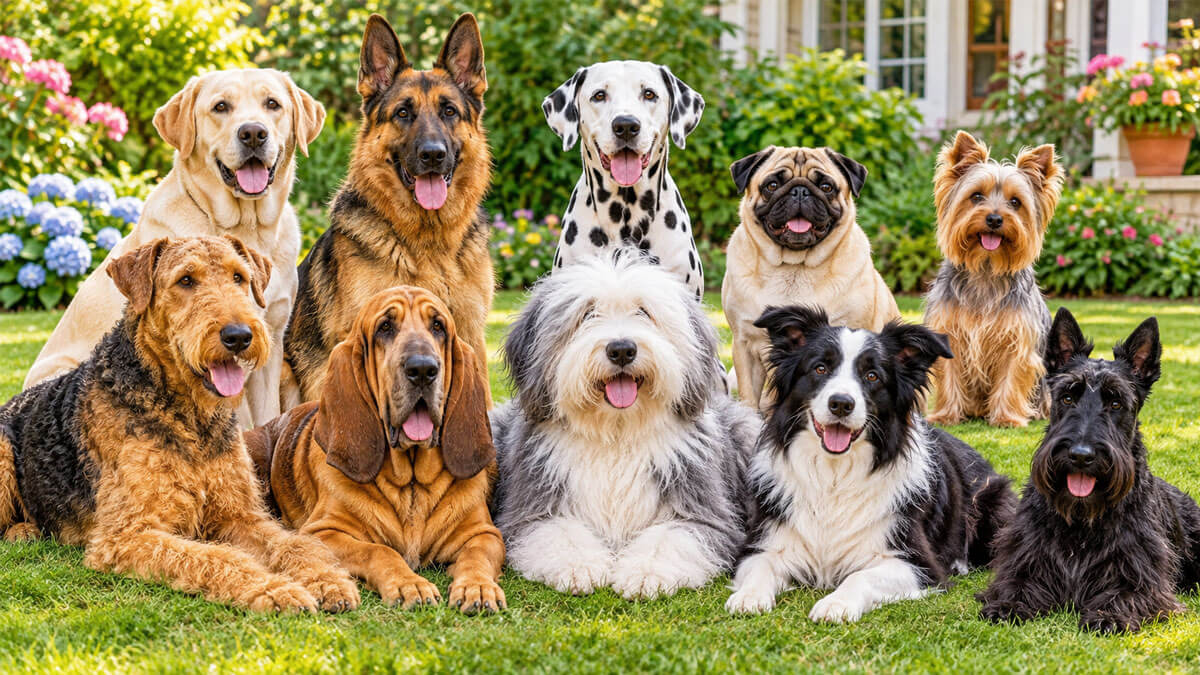
Dog breed comparison chart
Sizes are shoulder height in centimetres and weight in kilograms for adult dogs, shown as typical ranges. Individual dogs vary.
| Breed | Height (cm) | Weight (kg) | Coat | Temperament | Good for |
|---|---|---|---|---|---|
| Airedale Terrier | 56-61 | 18-23 | Wiry, dense, waterproof | Intelligent, loyal, stubborn | Active families with a yard |
| Yorkshire Terrier | 18-23 | 1.5-3 | Long, silky, steel-blue and tan | Alert, brave, feisty | Apartments and small homes |
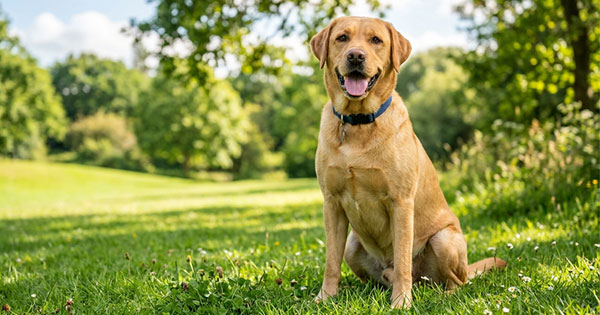
| Labrador Retriever | 53-61 | 25-34 | Short, smooth, waterproof double coat | Friendly, eager to please, high-spirited | Active families |
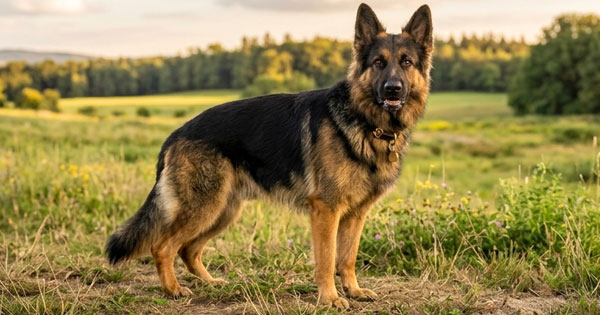
| German Shepherd | 56-66 | 32-43 | Double coat, heavy shedder | Loyal, courageous, highly trainable | Active, experienced owners |
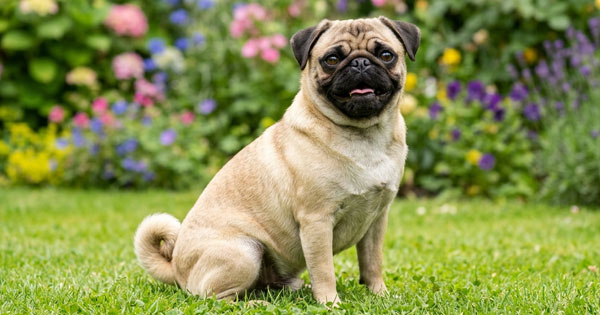
| Pug | 25-36 | 6-9 | Short, smooth, glossy | Charming, even-tempered, playful | Indoor homes with company |
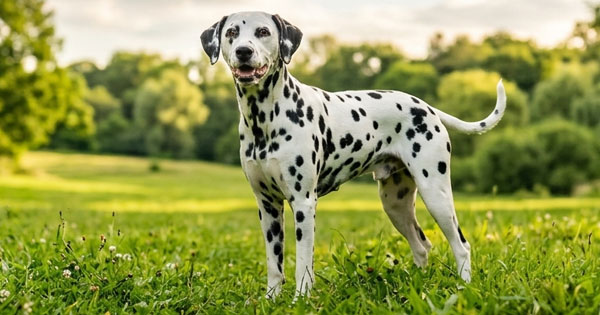
| Dalmatian | 53-63 | 20-29 | Short, white with black or liver spots | Playful, spirited, outgoing | Very active families |
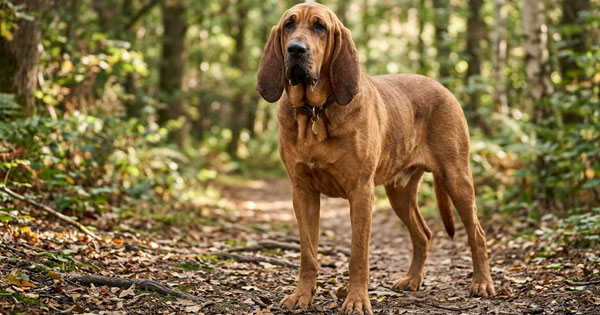
| Bloodhound | 58-69 | 36-50 | Short, smooth, loose skin | Gentle, affectionate, sensitive | Homes with a fenced yard |
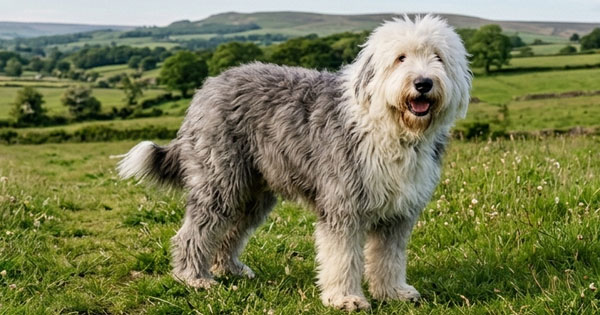
| Old English Sheepdog | 51-61 | 27+ | Long, shaggy, waterproof | Playful, cheerful, intelligent | Families who can groom often |
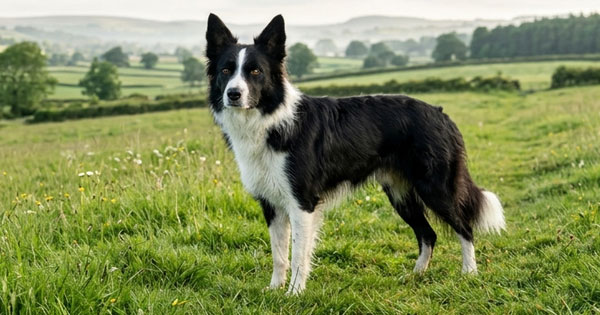
| Border Collie | 43-53 | 12-20 | Medium to long or short double coat | Intensely focused, eager, very smart | Athletic, experienced owners |
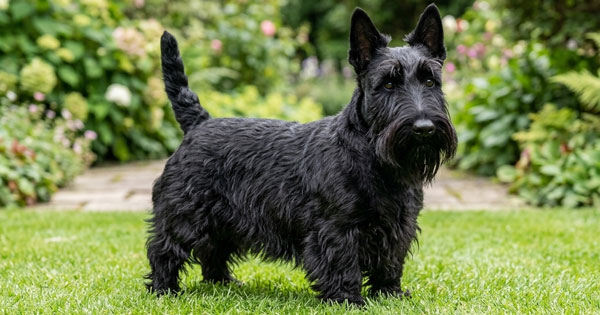
| Scottish Terrier | 23-28 | 8-10 | Wiry outer coat, soft undercoat | Loyal, independent, sometimes stubborn | Apartments with daily walks |
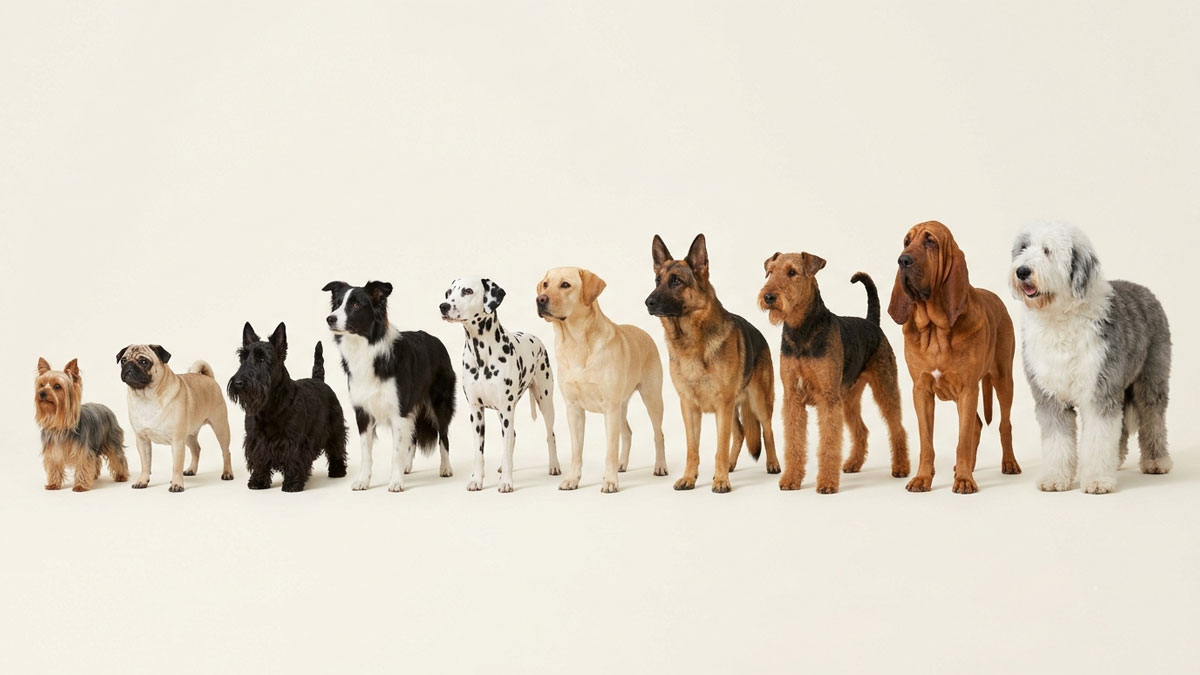
Breed profiles at a glance
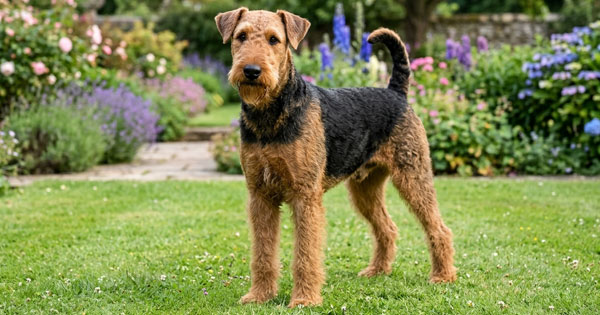
Airedale Terrier
The largest terrier, nicknamed the king of terriers. Needs regular trimming and lots of activity; bored Airedales love to dig.
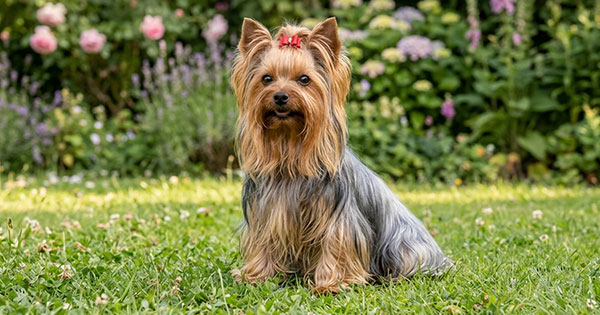
Yorkshire Terrier
Tiny but fearless. Daily brushing keeps the coat tangle-free, or it can be clipped short for easy care.
Labrador Retriever
Black, yellow or chocolate. Labs love food, so keep portions in check and give plenty of exercise.
German Shepherd
Strong and intelligent. Needs daily brushing, training and companionship; feed smaller meals to reduce bloat risk.
Pug
Sensitive to heat and cold and prone to breathing problems. Clean the face wrinkles regularly; pugs can live up to 15+ years.
Dalmatian
Puppies are born without spots - they appear in the first year. Needs vigorous exercise every day.
Bloodhound
A famous tracker with an incredible nose. Drools, eats a lot and follows scents wherever they lead.
Old English Sheepdog
Brush down to the undercoat several times a week to prevent mats. Not suited to hot climates.
Border Collie
The champion sheep-herding dog. Needs work, training and mental games every day.
Scottish Terrier
Bred to hunt foxes and badgers. Sheds little and needs firm but gentle training.
How to choose the right dog for you
- Match the energy. Active breeds need running and training every day; calm breeds are happier with short walks.
- Think about size and space. A big dog needs room to move; a small dog may suit an apartment.
- Count the grooming. Long coats need brushing several times a week; short coats are easier.
- Plan for the whole life. Dogs live around 10 to 15 years, so be ready for the long run.
- Consider adoption. Shelters have lovely mixed-breed dogs who need a home.
Dog legends and trivia
- Irish Wolfhound. One of the oldest and tallest dog breeds, prized for centuries by kings and nobles.
- Howling dogs. Many old stories say a howling dog is an omen, but dogs mostly howl to communicate or answer other sounds.
- Reindeer dogs of Norway. Herding dogs helped people gather reindeer herds in the cold north.
Want more? Read our dog facts and trivia page.
Frequently asked questions
Which dog breed is best for families with kids?
Labrador Retrievers, Dalmatians and Old English Sheepdogs are known as friendly with children, but any dog should be supervised around young kids, and temperament varies between individual dogs. Choose a breed whose energy level matches your family.
Which dog breeds are best for apartments?
Small breeds that need only moderate exercise, such as the Yorkshire Terrier, Pug and Scottish Terrier, usually adapt well to apartment life, as long as they get daily walks and company.
Which dog breeds need the most exercise?
Working and herding breeds such as the Border Collie, Dalmatian, German Shepherd and Labrador need long daily exercise and mental challenges to stay happy.
Do all dogs shed?
Most dogs shed to some degree. German Shepherds are heavy shedders, while wiry-coated terriers like the Scottish Terrier shed very little but need regular grooming or trimming.