
Dog Facts and Trivia for Kids
Dogs have been human companions for thousands of years. Discover amazing dog facts, learn how a dog senses the world, and pick up simple dog care tips so you can be a great friend to a four-legged pal.
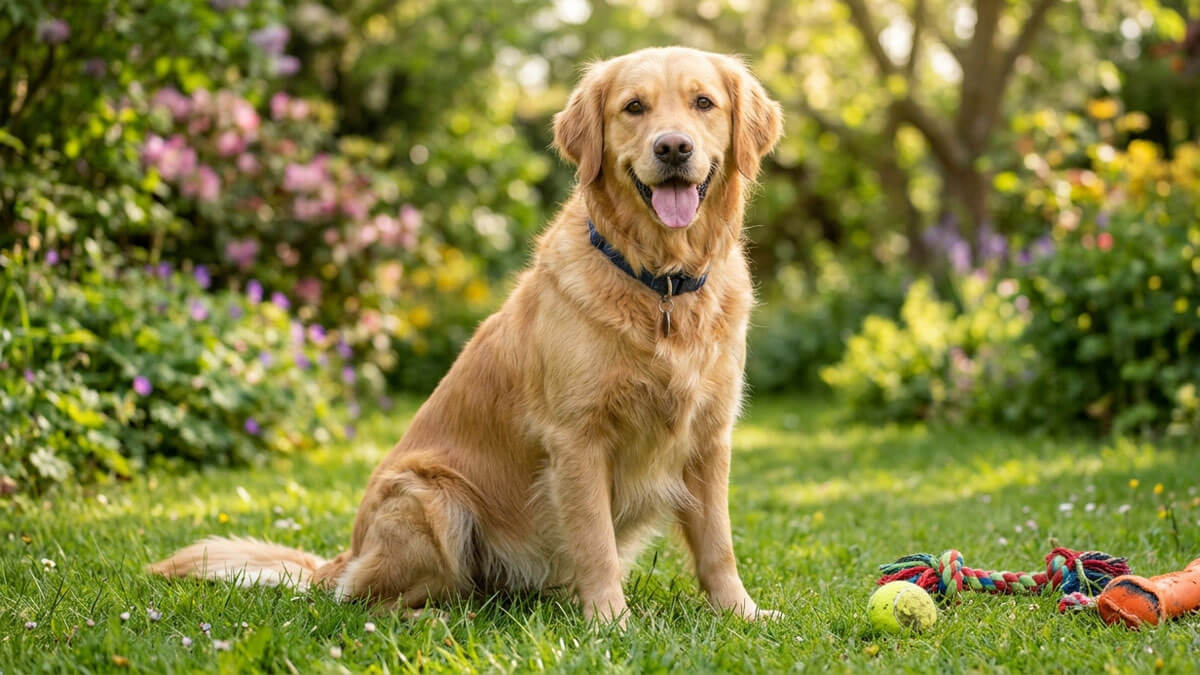
Dog facts at a glance
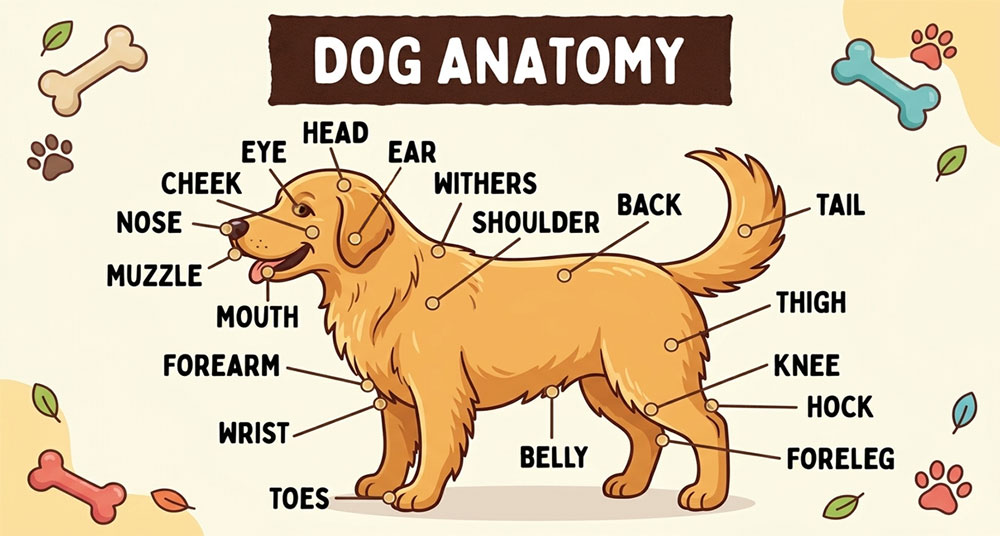
Did you know? Amazing dog trivia
- Super sniffers. A dog's nose has hundreds of millions of scent receptors, which is why dogs can find lost people, detect hidden items and sniff out illness-related smells.
- Sensitive ears. Dogs hear higher-pitched sounds than people can. Never blow into a dog's ear, even gently, because the ear is full of sensitive nerves and it can hurt.
- Paw preference. Like people, many dogs and cats favour one paw over the other. Try offering a toy and see which paw your dog reaches with first.
- From wolves to pets. Dogs descend from wolf-like ancestors. Early people kept them as guards and hunting partners, and as travellers moved around the world, dogs mixed with local dogs to create the many breeds we see today.
- Different speeds. Small dogs, big dogs and racing dogs all run at very different speeds, but all of them love a good game of fetch.
Dog care basics for kids
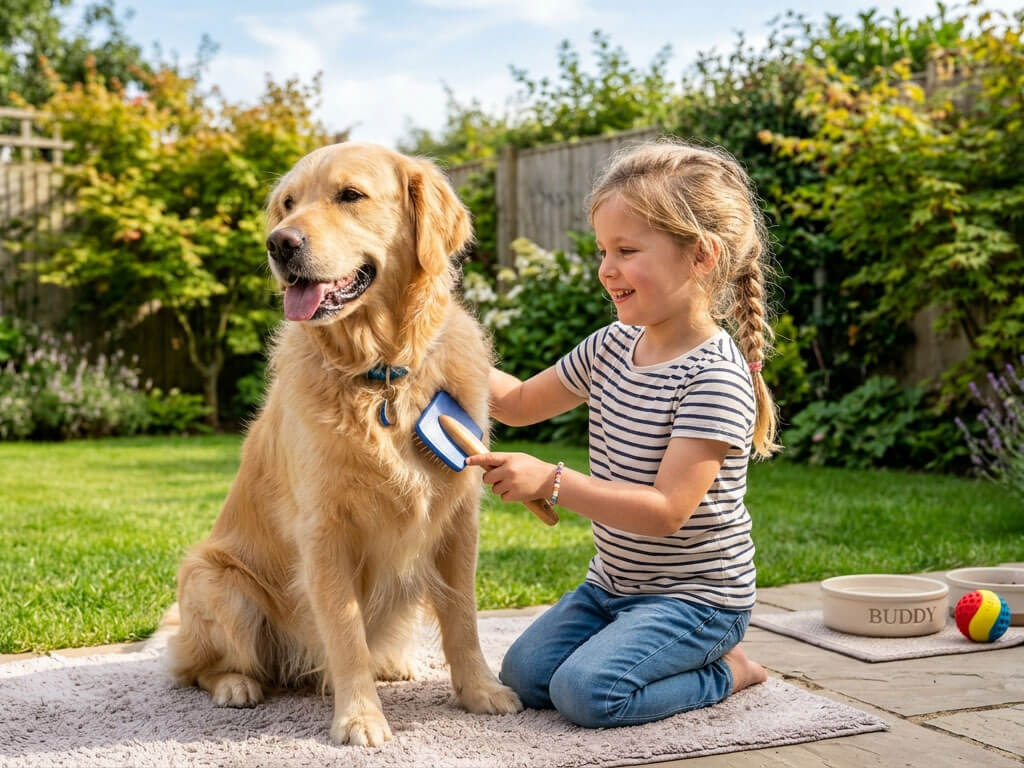
- Feed on a schedule. Use a balanced dog food suitable for your dog's age and size and keep fresh water in a clean bowl.
- Walk and play every day. Exercise keeps dogs healthy and stops them from getting bored and chewing furniture.
- Train with praise. Use treats, kind words and patience. Dogs learn "sit", "stay" and "come" faster when training is fun.
- Brush and bathe. Short-haired dogs need weekly brushing, long-haired dogs need it more often. Bathe only when needed.
- Visit the vet. Dogs need vaccinations, parasite control and regular check-ups.
Foods dogs must never eat: chocolate, grapes and raisins, onions and garlic, and anything sweetened with xylitol. When in doubt, ask a vet.
How to greet a dog safely
- Ask the owner if you may say hello first.
- Stand still, stay calm and let the dog sniff your closed hand.
- Stroke the shoulder or chest gently instead of reaching over the head.
- Never disturb a dog that is eating, sleeping or caring for puppies.
- If a dog growls, stiffens or backs away, give it space and tell an adult.
Meet the breeds
Every breed has its own size, coat and personality. Find out which one matches your family.
Frequently asked questions
How many teeth does a dog have?
An adult dog has 42 permanent teeth. Puppies have fewer, about 28 baby teeth, which fall out as the adult teeth grow in.
How fast can a dog run?
Most pet dogs can sprint at around 30 kilometres per hour. Greyhounds are much faster and can reach about 70 kilometres per hour.
Why do dogs sniff so much?
A dog's sense of smell is thousands of times more sensitive than ours. Sniffing is how dogs read the news: who passed by, what they ate and whether they are friends or strangers.
Can dogs eat chocolate?
No. Chocolate contains theobromine, which is poisonous to dogs. Grapes, raisins, onions and anything sweetened with xylitol are also unsafe. Call a vet straight away if your dog eats any of them.
How often should I walk a dog?
Most adult dogs need at least one walk every day, and active breeds like Border Collies and Dalmatians need much more. Puppies need shorter, more frequent outings. Ask your vet what suits your dog.