

Easter Celebration in Spain - Semana Santa and Spanish Traditions
Spain observes Easter with some of the most dramatic and visually powerful religious traditions in the world. The celebration is centered on Semana Santa (Holy Week), a period of intense devotion, public processions, and cultural expression.
Why Easter Is Important in Spain
Easter is a major Christian holiday in Spain. It celebrates the resurrection of Jesus Christ and represents hope, forgiveness, and new life.
Because Spain has a strong Catholic tradition, Easter is celebrated with deep religious devotion and public ceremonies throughout the country.
What Is Semana Santa?
In Spain, Holy Week is called Semana Santa, which means "Holy Week" in Spanish. It begins on Palm Sunday and ends on Easter Sunday.
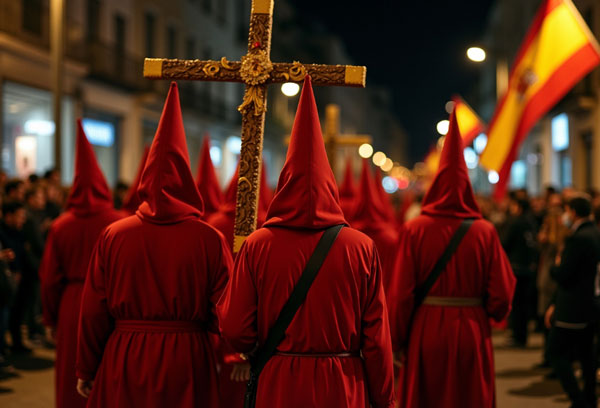
During this week, many towns and cities hold large religious processions. Members of religious brotherhoods walk through the streets carrying statues of Jesus and the Virgin Mary. They wear long robes and pointed hoods as part of centuries-old traditions.
These processions often include marching bands playing solemn music, creating a powerful and emotional atmosphere.
Semana Santa Processions
Throughout Holy Week, cities and towns hold elaborate processions featuring large religious sculptures carried through the streets. Participants wear traditional robes and walk in solemn formation accompanied by music and ceremonial rituals.
Cities such as Seville and Málaga are internationally known for their grand processions, which attract visitors from around the world. These events reflect deep spiritual devotion and centuries-old traditions.
Religious Significance
Church services and prayer gatherings are held daily during Holy Week. The atmosphere is reflective and solemn, commemorating the Passion and resurrection of Jesus Christ. Easter Sunday marks a transition to celebration and joy.
Cultural Celebrations
Following the solemn observances, Easter Sunday is celebrated with family gatherings and festive meals. Public spaces become lively as communities celebrate renewal and hope.
Traditional Foods
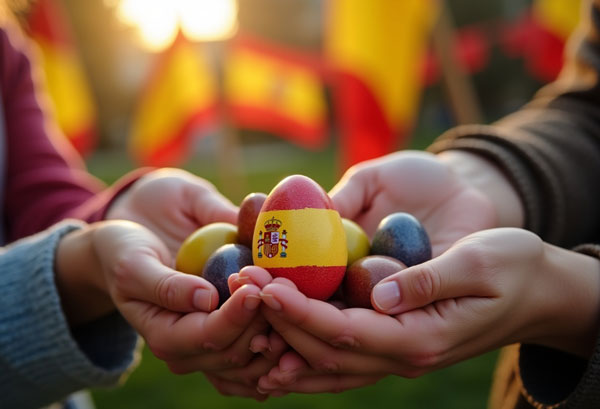
Spanish Easter foods vary by region but commonly include sweet breads, pastries, and festive dishes prepared specifically for the season. Families gather for large meals that emphasize tradition and togetherness.
Cultural Atmosphere
Easter in Spain is both deeply spiritual and culturally expressive. The powerful visual traditions, music, and communal participation make it one of the most distinctive Easter celebrations in the world.
 Back to School
 Craft Ideas for Kids
 Benefits of Yoga for Kids
 Fun and Jokes
 Stories for Kids
 School Projects & Homework Help
 Hobbies

Try out the other sections