
Read 75+ Folk Tales from Cultures Around the World
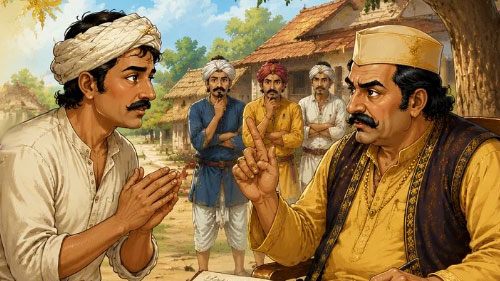
This is a free collection of more than 75 classic folk tales gathered from cultures around the world. You will find traditional stories from India, Norway, Japan, Serbia, West Africa, Germany, and ancient Greece, alongside fables and trickster tales. Some are quiet and thoughtful, others are funny or full of magic, but every one of them reflects how a people thought about fairness, cleverness, kindness, and consequence. The Indian folk tales below are an especially rich part of this collection, known for their vivid storylines and the morals woven into them.
Scroll down to browse the full list of folk tales. Each title links to the complete story, free to read online and easy to share with children, classrooms, or anyone who loves a good traditional tale.
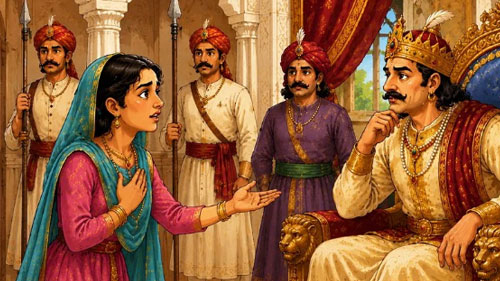
Royal Tales of Kings, Queens & Princesses
Stories centered around royal court drama, heirs to the throne, or saving members of a royal family.
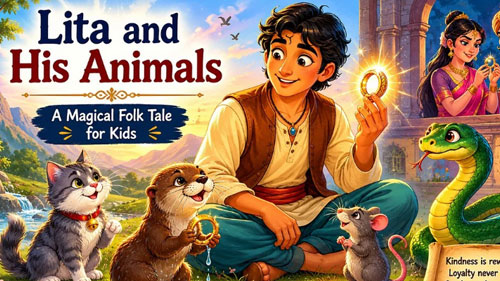
Animal Folk Tales
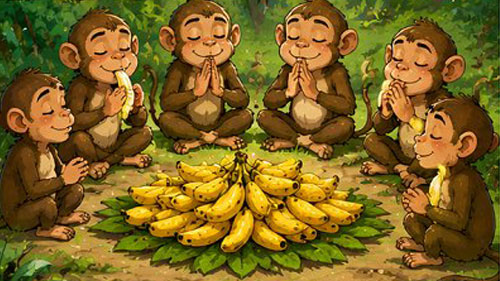
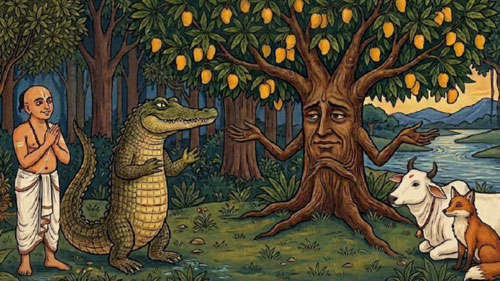
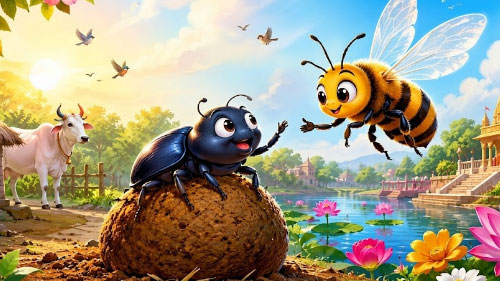
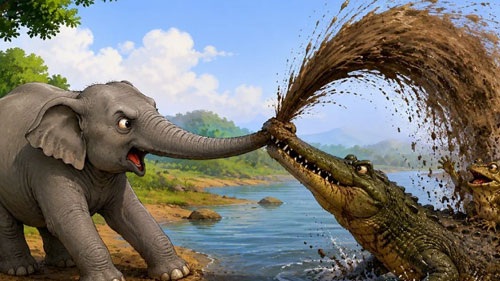
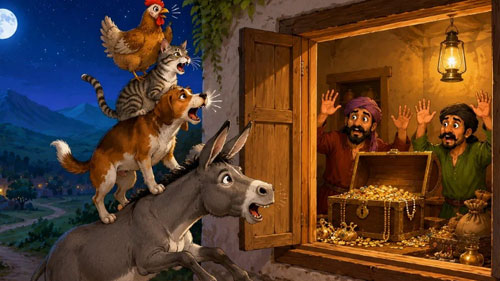
Stories where animals act as the primary characters, speak, or display distinct human qualities like gratitude or cleverness.
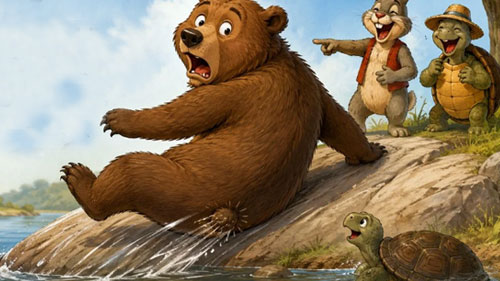
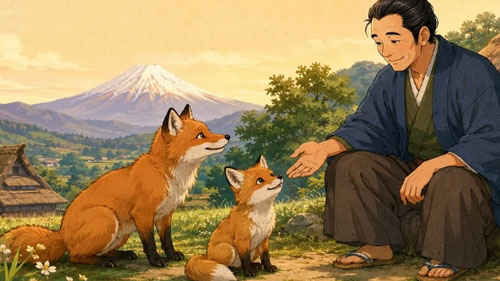
Cleverness, Wisdom & Problem Solving
Stories where characters survive, succeed, or outsmart others using intellectual wit, solving riddles, or sheer resourcefulness.
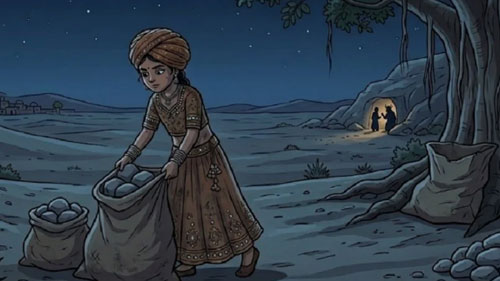
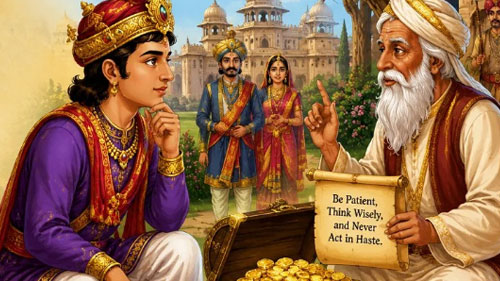
Magic, Fantasy & Supernatural Stories
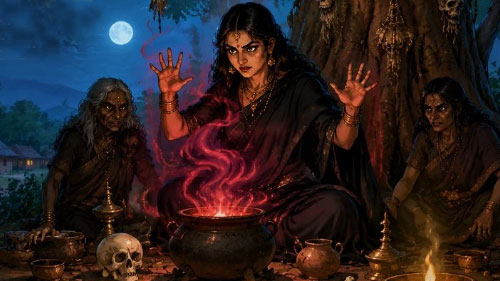
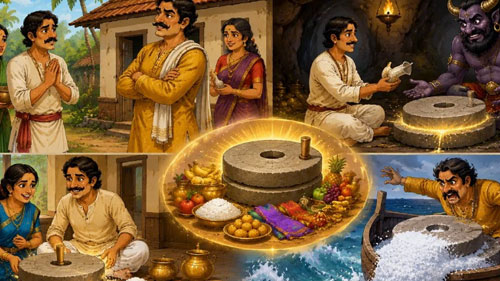
Tales dominated by magical objects, sorcery, encounters with mythical beings, or visits to otherworldly realms.
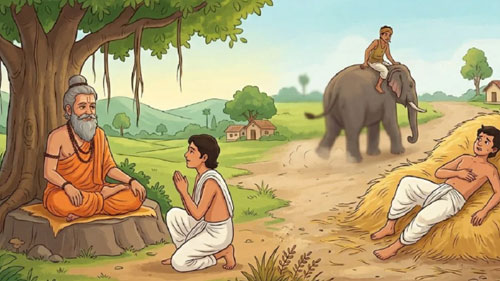
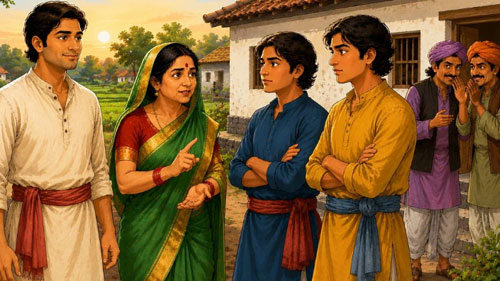
Family, Friendship & Human Values
Stories focusing on familial bonds, deep love, loyalty, hospitality, or the tragic consequences of losing those values.
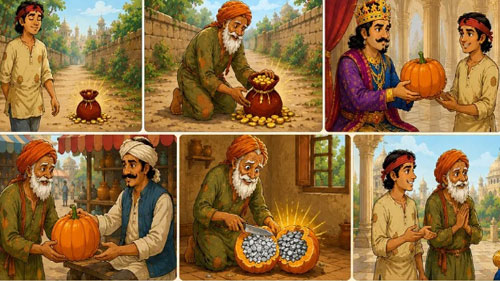
Greed, Honesty & Moral Lessons
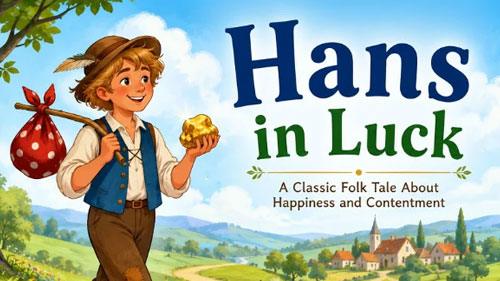
Stories that explicitly punish vices like greed and hubris, or reward humble virtues like honesty and contentment.
What Are Folk Tales?
A folk tale is a traditional story passed down by word of mouth from one generation to the next. The word "folk" simply means "people," and that is exactly who folk tales belong to: they are the stories of ordinary communities rather than the work of a single named writer. Over many retellings, a folk tale becomes a kind of shared possession, carrying the humor, fears, and values of the people who kept it alive. Most folk tales are short, easy to remember, and built around a single clear idea, which is why they have travelled so well across centuries and continents.
Types of Folk Tales
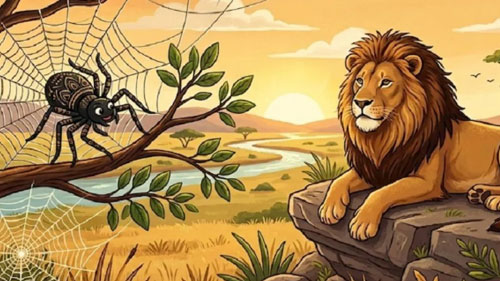
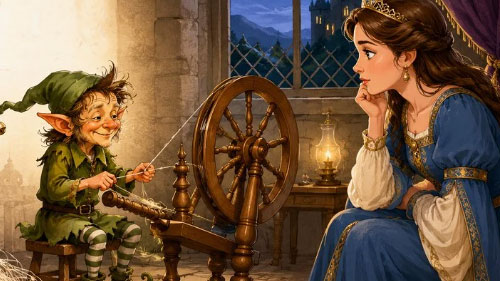
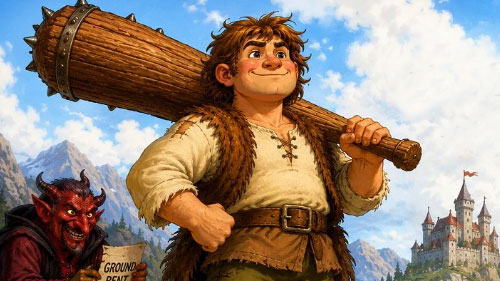
Folk tales come in several recognizable forms. Fables are short tales, often featuring animals, that end with a stated moral. Fairy tales add magic and enchanted characters such as witches, giants, and talking creatures. Trickster tales follow a clever character who outwits stronger opponents, like Ananzi the spider in West African and Caribbean stories. Myths explain how the world came to be and usually involve gods, while legends are rooted in history and grow larger with each telling. This collection includes examples of every one of these forms, drawn from many different cultures.
Folk Tales from Around the World
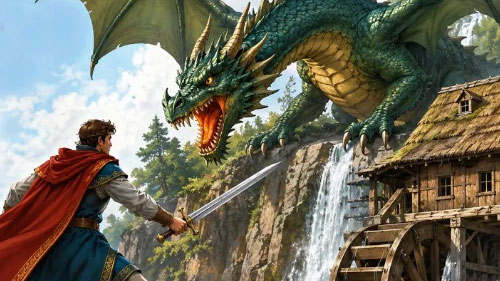
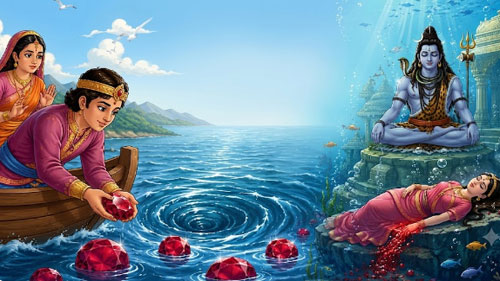
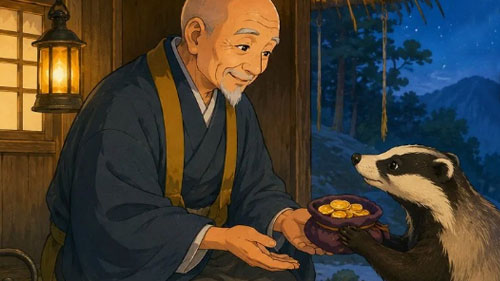
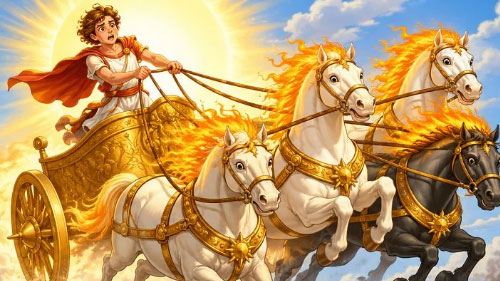
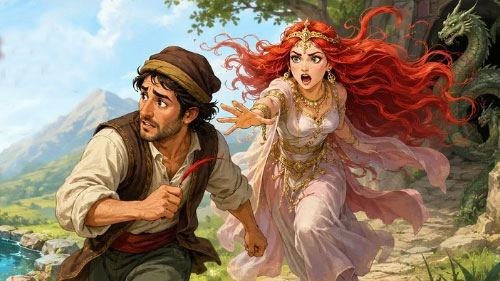
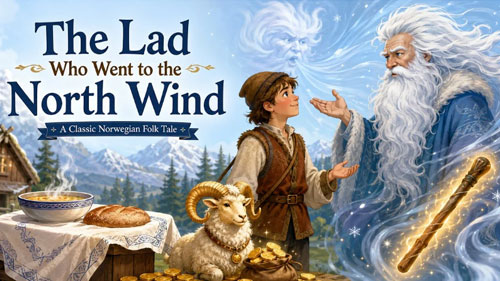
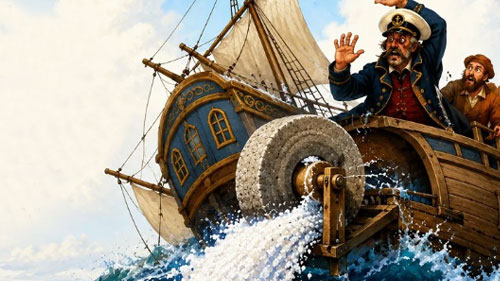
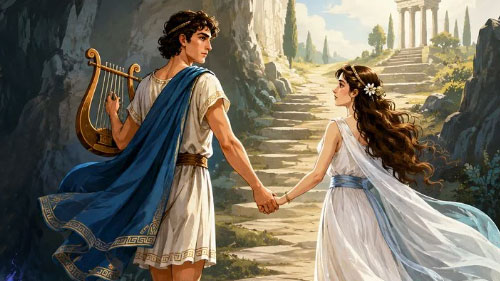
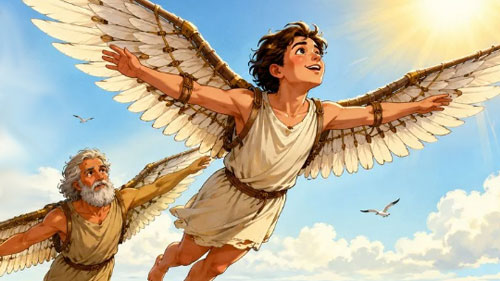
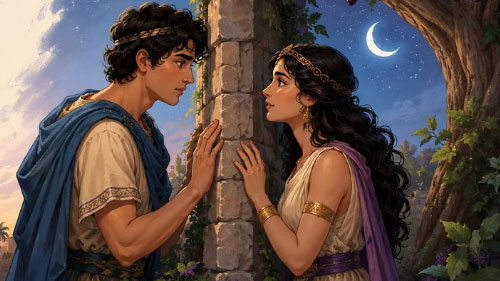
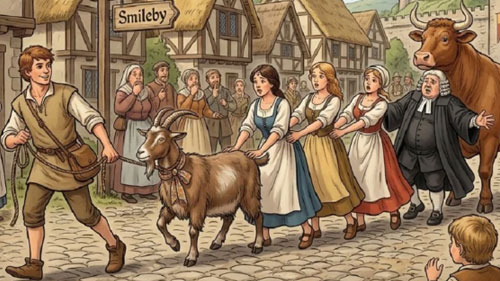
The stories on this page come from a wide range of traditions. From India there are tales of clever wives, greedy rajas, and talking animals — you can explore these in depth in our dedicated guide to Indian folk tales. From Norway and Scandinavia come stories such as Why The Sea Is Salty and The Lad Who Went To The North Wind. Japan contributes quiet tales of gratitude like The Grateful Foxes and The Badger's Money, while Serbia and central Europe offer adventures such as The Dragon And The Prince. There are West African and Caribbean trickster stories, English tales like Tom Tit Tot, and retellings of ancient Greek myths including Orpheus and Eurydice and Icarus and Daedalus. Read together, they show how different the settings can be while the heart of a good story stays the same.
Why Folk Tales Still Matter
Even in a world of films and screens, folk tales remain relevant because they deal with situations that never go out of date: honesty and deceit, kindness and greed, courage and fear. For children, they are an easy and enjoyable first step into reading, and a gentle introduction to cultures other than their own. For older readers, they offer a window into how communities around the world have understood right and wrong. Because each tale is compact and self-contained, a folk tale can be read in a few minutes yet leave behind an idea worth thinking about for much longer.
Related Reading
Explore more traditional stories in our wider moral stories collection, browse the classic Indian folk tales of the Panchatantra and Jataka, discover magical favorites in fables and fairy tales, or read timeless picks in our classic stories section.
Frequently Asked Questions
What are folk tales?
Folk tales are traditional stories passed down orally through generations. They usually have no single author and carry the cultural values, beliefs and moral lessons of the people who told them.
What is the difference between a folk tale and a fairy tale?
A folk tale is any traditional story shared orally among a people, often featuring ordinary characters and a clear lesson. A fairy tale is a type of folk tale that includes magical elements such as witches, talking animals and enchantments.
What are some examples of famous folk tales?
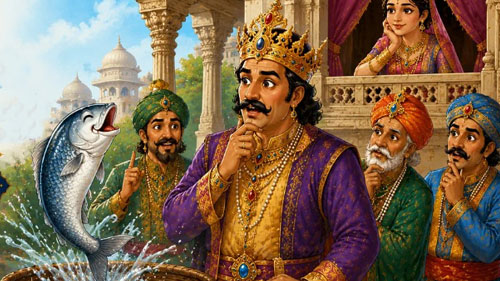
Well-known folk tales include Why The Sea Is Salty from Norway, The Grateful Foxes from Japan, The Dragon And The Prince from Serbia, and Indian tales such as The Son of Seven Queens and Why The Fish Laughed.
Are folk tales good for kids?
Yes. Folk tales are short, simple and built around a single clear idea, which makes them easy for children to follow. They introduce kids to different cultures and to lessons about fairness, kindness and consequences.